Lithium-ion batteries power most e-scooters and e-bikes. They store a lot of energy in a small space, and when they fail they can overheat, catch fire or explode, releasing toxic smoke. Fire and Rescue NSW warns that lithium-ion battery fires are a fast-growing fire risk in NSW, and it runs a safety campaign about e-bike and e-scooter batteries. This guide summarises its advice.
This guide is general information written in our own words, based on the official sources listed at the end. It isn't legal or medical advice. Road rules and e-scooter trials change, and councils can put up local signs that override the general rules, so check the current rules with Transport for NSW and follow any signs where you ride. Remember that under current NSW rules, privately owned e-scooters can only be ridden on private property. See our e-scooter rules guide.
Why lithium-ion batteries catch fire
Lithium-ion batteries can fail if they're damaged, overcharged, charged with an incompatible charger, exposed to heat or water, poorly made or modified. When a cell fails, it can heat rapidly in a process called thermal runaway, spreading to other cells. These fires can start suddenly, spread quickly and be hard to put out.
Buying safely
When buying an e-scooter or battery:
- Buy from a reputable retailer.
- Check the product meets Australian standards and has the Regulatory Compliance Mark (RCM) on the charger.
- Be wary of very cheap devices, batteries and chargers from unknown sellers.
- Check for recalls on the ACCC's Product Safety Australia website.
- Don't modify a device or battery to increase speed or range.
Charging safely
Fire and Rescue NSW advises:
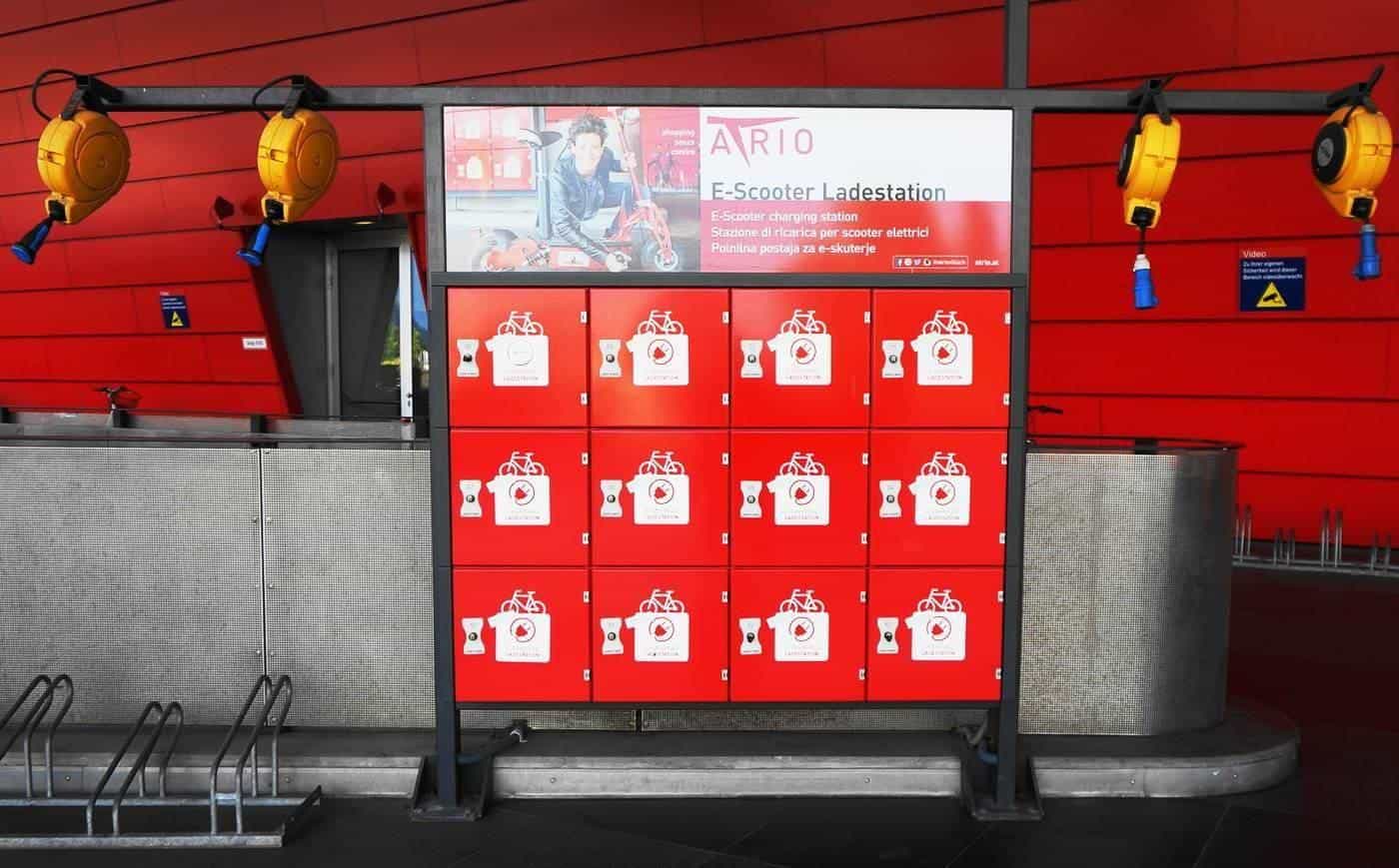
- Charge on a hard, non-flammable surface, ideally in a garage or shed, away from exits.
- Don't charge in bedrooms, hallways or near exits, where a fire could block your escape.
- Never charge while you're asleep or away from home.
- Unplug once fully charged. Don't leave batteries on charge for long periods.
- Use only the charger supplied with the device, or an approved replacement with the RCM.
- Let the battery cool after riding before you charge it.
- Keep away from heat and direct sunlight while charging.
Signs of a damaged battery
Stop using and charging a battery if you notice:
- swelling or bulging;
- leaking;
- unusual heat;
- hissing, cracking or popping sounds;
- a strange smell;
- smoke;
- damage after a crash, drop or water exposure.
Fire and Rescue NSW advises against using swollen or damaged batteries. If a battery is overheating or smoking, move away, get everyone out and call Triple Zero (000).
Storage
Store e-scooters and batteries in a cool, dry place away from heat and direct sunlight, and away from exits. Don't store them in hallways or under stairs, where a fire could block an escape route. If you won't use the scooter for a while, follow the manufacturer's advice on storage charge levels.
Smoke alarms and an escape plan
Working smoke alarms are essential. Make sure you have them where you charge and store devices, test them regularly and have a home escape plan.
If there's a fire
If a battery catches fire:
- Get out and stay out.
- Close the door behind you if it's safe, to slow the spread.
- Call Triple Zero (000).
Don't try to fight a lithium-ion battery fire yourself.
Disposal
Never put lithium-ion batteries in household rubbish or recycling bins, where they can cause fires in garbage trucks and recycling facilities. Take old or damaged batteries to a suitable battery recycling drop-off point. Your local council can tell you where.
Shared e-scooters
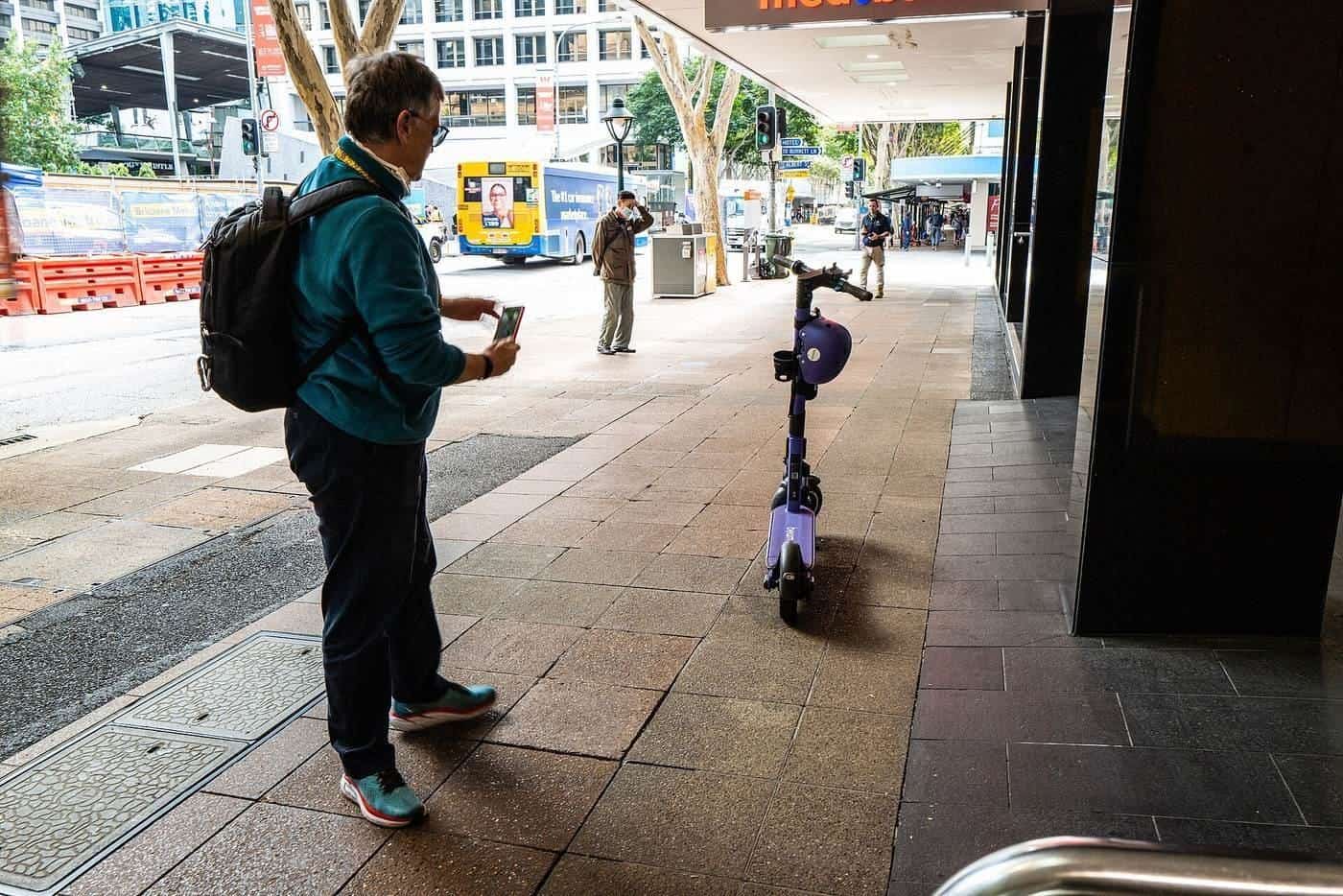
For shared e-scooters in NSW trial areas, the operator is responsible for charging and maintaining the batteries. Riders should report damaged scooters to the operator.
Renters and apartments
If you rent or live in an apartment, check your lease and strata rules about storing and charging e-scooters. Some buildings restrict charging in common areas or apartments. Follow Fire and Rescue NSW advice: charge on a hard surface away from exits, never while asleep or away, and keep smoke alarms working. Never block corridors or fire stairs with scooters.
Travelling with batteries
Airlines and some transport operators restrict lithium-ion batteries, including e-scooter batteries, because of the fire risk. Check the rules before travelling. Never carry a damaged battery.
Try the "Where can I ride?" checker
Our free ride checker lets you choose a kick scooter, a private e-scooter or a shared e-scooter, then pick a place, such as a footpath, shared path or road, and the time of day. It shows what the general NSW rules say, with a link to the official source. It runs entirely in your browser, and nothing you choose is sent anywhere. It's a guide only: local signs and changes to the rules always take priority.
Where our information comes from
Factual statements in our guides are based on official and authoritative sources, including Transport for NSW, the NSW Road Rules 2014, the NSW Government's e-scooter pages, Fire and Rescue NSW, the ACCC's Product Safety Australia, the Better Health Channel and Raising Children Network. We link to each source at the end of the page and write everything in our own words. We don't invent statistics, fines or prices, and where official sources disagree or change, we say so.
Rules change
Road rules, fines and e-scooter trials change from time to time. The NSW Government has said it's exploring options to change the rules for e-scooters, and trial sites open and close. Councils can also add local signs that ban scooters in particular places. Before relying on any rule, check the current information from Transport for NSW and follow the signs where you ride.
Riding with others in mind
Footpaths and shared paths belong to everyone. Riding at a sensible speed, keeping left, giving way to pedestrians and walking when it's busy make scooters welcome on Sydney's paths. Every rider who rides considerately helps keep paths open to scooters, and makes it easier for children to keep scooting to school and the park.
A note for parents and carers
Children learn by watching adults. If you ride a scooter or bicycle, wear your helmet, keep left, slow down near people and walk across roads. Talk about the rules as you go. Transport for NSW's Safety on Wheels information for parents is a helpful starting point, and Raising Children Network has practical advice on bike, scooter and skateboard safety.
Corrections and feedback
We review our guides against their sources and show the date each page was last checked. If you notice something out of date or incorrect, such as a change to the road rules or e-scooter trials, please tell us through our contact page. We read every message and correct mistakes promptly.
About this site
Kick Scooter Sydney is an independent information site. We aren't a scooter shop, hire company, government agency or safety authority, and we don't sell, review or recommend particular brands or shops. Our guides are general information, not legal or medical advice.
After a crash or a drop
A hard knock can damage the cells inside a battery even if the case looks fine. After a crash, a fall from a height or exposure to water, such as riding through deep puddles or leaving the scooter out in heavy rain, inspect the battery for damage and watch for warning signs like heat, swelling, smells or unusual sounds. If you're unsure, stop using it and have it checked by the manufacturer or a qualified repairer. Fire and Rescue NSW advises against using damaged batteries.
Choosing a replacement battery
If a battery needs replacing, use a genuine replacement from the manufacturer or an approved supplier that's designed for your device. Cheap, incompatible or second-hand batteries and chargers may not have the same protections. Don't open, repair or rebuild battery packs yourself.
Key points
- Fire and Rescue NSW says lithium-ion battery fires are a fast-growing fire risk in NSW.
- Charge on a hard surface, ideally in a garage or shed, away from exits.
- Never charge while asleep or away; unplug when full.
- Use only the supplied or an approved charger with the RCM.
- Stop using swollen or damaged batteries; never put batteries in household bins.
Frequently asked questions
Are e-scooter batteries a fire risk?
Yes. Fire and Rescue NSW says lithium-ion battery fires from e-bikes and e-scooters are a fast-growing fire risk in NSW.
Where should I charge an e-scooter?
Fire and Rescue NSW advises charging on a hard surface, ideally in a garage or shed away from exits, and not in bedrooms or hallways.
Can I charge overnight?
Fire and Rescue NSW advises never charging while you're asleep or away from home, and unplugging once fully charged.
What charger should I use?
Use the charger supplied with your device or an approved replacement. Fire and Rescue NSW advises looking for the Regulatory Compliance Mark (RCM).
What should I do with a damaged or swollen battery?
Stop using it. Don't charge it. Dispose of it at a suitable battery recycling drop-off point, not in household bins.
Sources and further reading
Facts on this page were checked against these primary and official sources. Conditions change — confirm before you travel or buy.
- E-bike and e-scooter battery safety — Fire and Rescue NSW
- Where can I ride an e-scooter in NSW — NSW Government
- About riding shared e-bikes and e-scooters — NSW Government