Electric scooters are sold online and in shops across Sydney, and you'll see them on the streets. That can make it surprising to learn that, under current NSW rules, riding a privately owned e-scooter on a public road or path is illegal. This guide explains the rules for private e-scooters, how the shared e-scooter trials work and what the NSW Government says about future changes.
This guide is general information written in our own words, based on the official sources listed at the end. It isn't legal or medical advice. Road rules and e-scooter trials change, and councils can put up local signs that override the general rules, so check the current rules with Transport for NSW and follow any signs where you ride.
Private e-scooters
The NSW Government says it is illegal to ride a personal e-scooter, meaning one you own, on NSW roads and paths. That includes footpaths, shared paths, bike paths and roads, and it includes the areas where shared e-scooter trials are running. You can only use a privately owned e-scooter on private property. The NSW Government warns that significant fines apply.
This often surprises people, because e-scooters are legal to buy and are widely sold. Buying an e-scooter doesn't make it legal to ride in public in NSW. Rules differ between states and territories, so what's allowed in another state doesn't apply in NSW.
Shared e-scooter trials
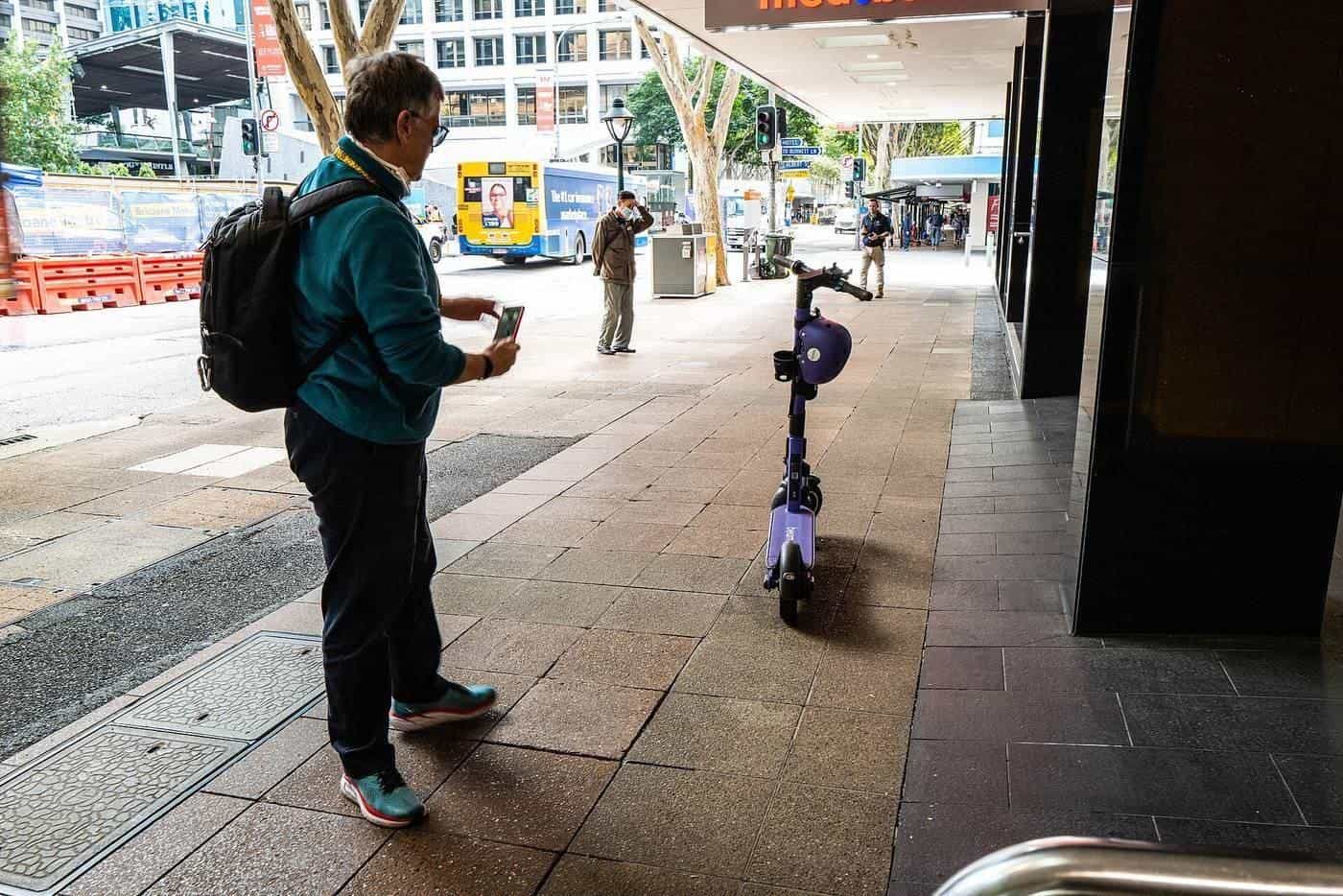
The NSW Government runs a Shared E-scooter Trial Program with councils to understand demand, safety and community views. Transport for NSW declares selected roads and areas in a trial site as an "Electric Scooter Use Area" under the road rules, which makes it legal to ride the shared e-scooters supplied by the approved operator in that area.
Wollongong City Council says its trial started on 29 September 2023 and that Transport for NSW has approved continuing it until 22 January 2027. Other trials have run in places including Forster-Tuncurry, Kogarah, Albury, Armidale, Lake Macquarie and Western Sydney Parklands, and several have finished. Trial dates change, so check the NSW Government's trial page for the current list before you plan a ride.
Rules for shared e-scooters
The NSW Government sets out these rules for riding shared e-scooters in trial sites:
- Age: you must be 16 or older.
- Helmet: you must wear an approved bicycle helmet at all times.
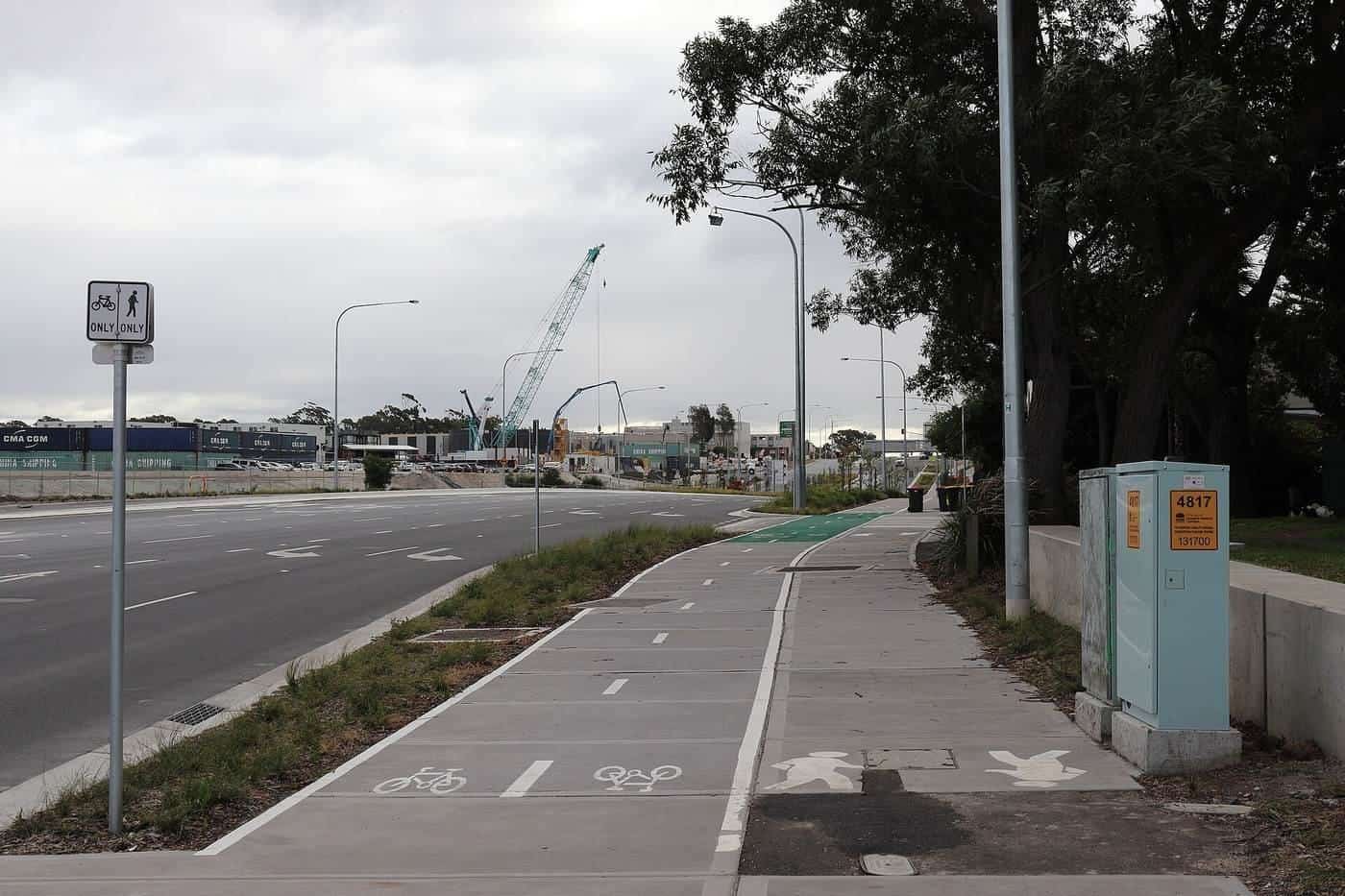
- Where: only on bicycle lanes and paths, shared paths, and roads with a speed limit of 50 km/h or less.
- Not on footpaths: riding a shared e-scooter on a footpath is illegal.
- Speed: 10 km/h on shared paths and 20 km/h on roads and bicycle lanes.
- No passengers: don't carry another person or an animal.
- Parking: park thoughtfully, using marked bays where they're provided.
- Visibility: wear bright clothing so other road users can see you.
Operators can add their own conditions, and you need to agree to them before riding. Shared e-scooters are speed limited and geofenced, according to Wollongong City Council, so they won't operate outside the approved area.
How these rules differ from kick scooters
The rules for kick scooters and e-scooters are almost opposite. A kick scooter can be ridden on footpaths unless signs say otherwise, while a shared e-scooter can't be ridden on footpaths at all. A kick scooter can be ridden by people of any age, while shared e-scooter riders must be 16 or older. Keep this in mind if you use both.
What about e-bikes and other devices?
E-bikes, electric skateboards, hoverboards and other powered devices each have their own rules in NSW, and some are also limited to private property. We focus on kick scooters and e-scooters. For other devices, check Transport for NSW.
Future changes
The NSW Government says it is exploring options to change the road rules so people can legally ride e-scooters in NSW, and it publishes updates on its plans to legalise e-scooter riding. Until any change takes effect, the current rules apply. We'll update this guide when the rules change, but always check the official source.
Battery safety
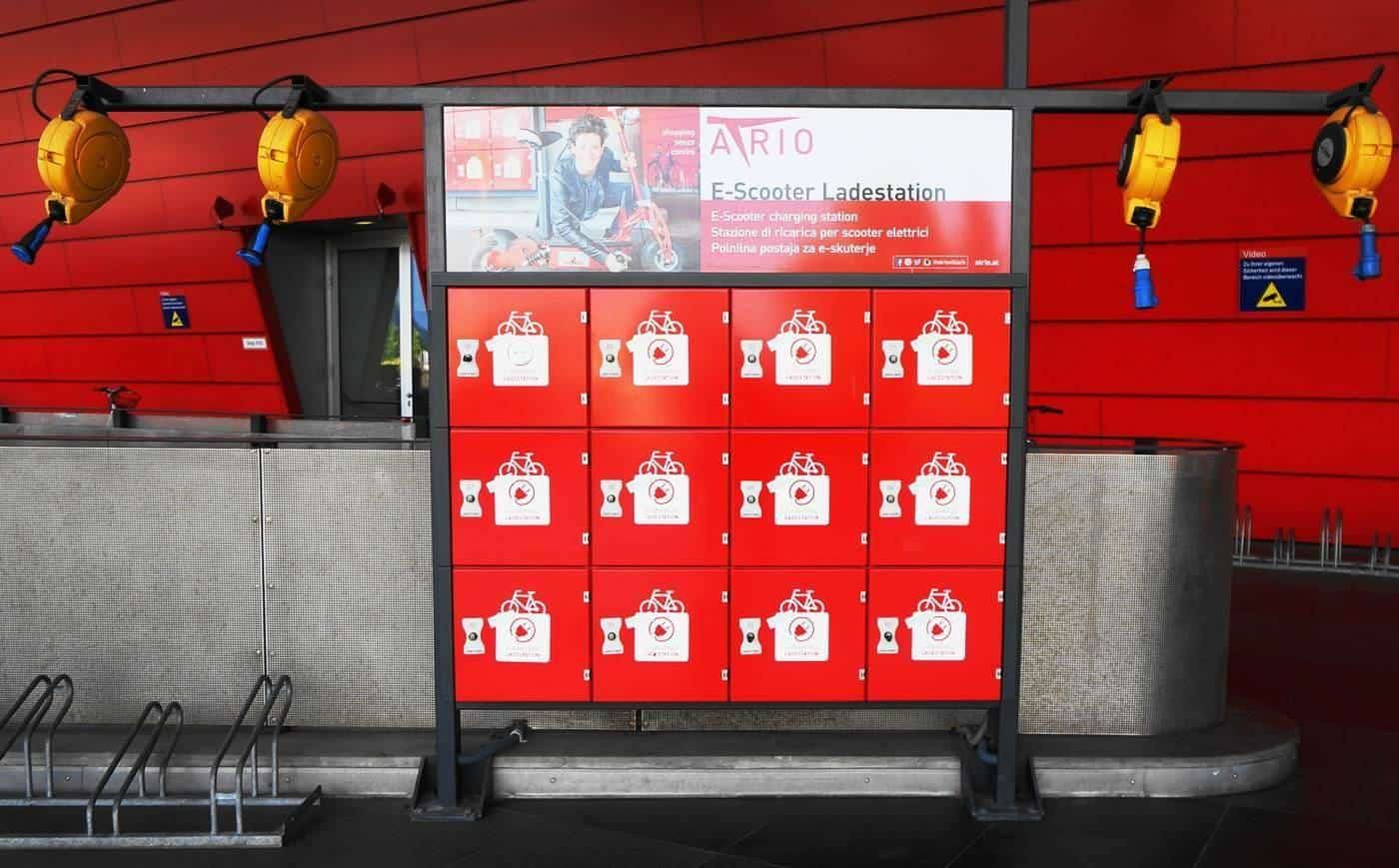
If you own an e-scooter for use on private property, or you're considering buying one, battery safety matters. Fire and Rescue NSW warns that lithium-ion batteries in e-bikes and e-scooters can catch fire, and advises charging safely, using approved chargers and never charging while you're asleep or away. See our e-scooter battery safety guide.
Thinking of buying an e-scooter?
Before buying, consider where you'll actually ride it. Under current NSW rules, a privately owned e-scooter can only be used on private property. If you want something for footpaths and shared paths now, a kick scooter is legal on most footpaths and paths. See our guide to choosing a kick scooter.
Common misunderstandings
"It's legal because shops sell them." Sale and use are different; NSW rules control where you can ride. "Private e-scooters are fine in trial areas." The NSW Government says private e-scooters remain illegal, including in trial areas. "Footpaths are safer, so they must be allowed." Shared e-scooters can't be ridden on footpaths. "Low-powered models don't count." Check the definitions with Transport for NSW before assuming any electric device is allowed.
Before you ride a shared e-scooter
Download the operator's app, read and agree to the conditions, check the riding area map and parking bays, adjust the helmet so it fits properly, and do a quick check of the brakes and lights. Report any damage to the operator before riding. Plan your trip so you finish inside the trial area, as shared e-scooters are geofenced and may slow or stop at the boundary.
Try the "Where can I ride?" checker
Our free ride checker lets you choose a kick scooter, a private e-scooter or a shared e-scooter, then pick a place, such as a footpath, shared path or road, and the time of day. It shows what the general NSW rules say, with a link to the official source. It runs entirely in your browser, and nothing you choose is sent anywhere. It's a guide only: local signs and changes to the rules always take priority.
Where our information comes from
Factual statements in our guides are based on official and authoritative sources, including Transport for NSW, the NSW Road Rules 2014, the NSW Government's e-scooter pages, Fire and Rescue NSW, the ACCC's Product Safety Australia, the Better Health Channel and Raising Children Network. We link to each source at the end of the page and write everything in our own words. We don't invent statistics, fines or prices, and where official sources disagree or change, we say so.
Rules change
Road rules, fines and e-scooter trials change from time to time. The NSW Government has said it's exploring options to change the rules for e-scooters, and trial sites open and close. Councils can also add local signs that ban scooters in particular places. Before relying on any rule, check the current information from Transport for NSW and follow the signs where you ride.
Riding with others in mind
Footpaths and shared paths belong to everyone. Riding at a sensible speed, keeping left, giving way to pedestrians and walking when it's busy make scooters welcome on Sydney's paths. Every rider who rides considerately helps keep paths open to scooters, and makes it easier for children to keep scooting to school and the park.
A note for parents and carers
Children learn by watching adults. If you ride a scooter or bicycle, wear your helmet, keep left, slow down near people and walk across roads. Talk about the rules as you go. Transport for NSW's Safety on Wheels information for parents is a helpful starting point, and Raising Children Network has practical advice on bike, scooter and skateboard safety.
Key points
- Privately owned e-scooters are illegal on NSW roads and paths, including in trial areas.
- Shared e-scooters are legal only in designated trial areas, such as Wollongong (approved until 22 January 2027).
- Shared e-scooter riders must be 16 or older and wear an approved bicycle helmet.
- No footpaths; 10 km/h on shared paths and 20 km/h on roads and bike lanes.
- The NSW Government is exploring legalisation, so check the current rules.
Frequently asked questions
Can I ride my own e-scooter in NSW?
Not on public roads or paths. The NSW Government says it's illegal to ride a privately owned e-scooter on NSW roads and paths, including inside shared e-scooter trial areas. You can only use one on private property.
Where can I ride a shared e-scooter?
Only in designated trial areas. Wollongong's trial has been approved to run until 22 January 2027. Check the NSW Government's trial page for the current list of sites.
How old do I need to be to ride a shared e-scooter?
At least 16, according to the NSW Government.
Do I need a helmet on a shared e-scooter?
Yes. You must wear an approved bicycle helmet at all times.
Is the NSW Government changing the rules?
The NSW Government says it is exploring options to change the road rules so people can legally ride e-scooters. Check its website for the latest.
Sources and further reading
Facts on this page were checked against these primary and official sources. Conditions change — confirm before you travel or buy.
- Where can I ride an e-scooter in NSW — NSW Government
- About riding shared e-bikes and e-scooters — NSW Government
- NSW Shared E-scooter Trial Program — NSW Government
- E-scooters — Transport for NSW
- E-scooters — Wollongong City Council
- E-bike and e-scooter battery safety — Fire and Rescue NSW