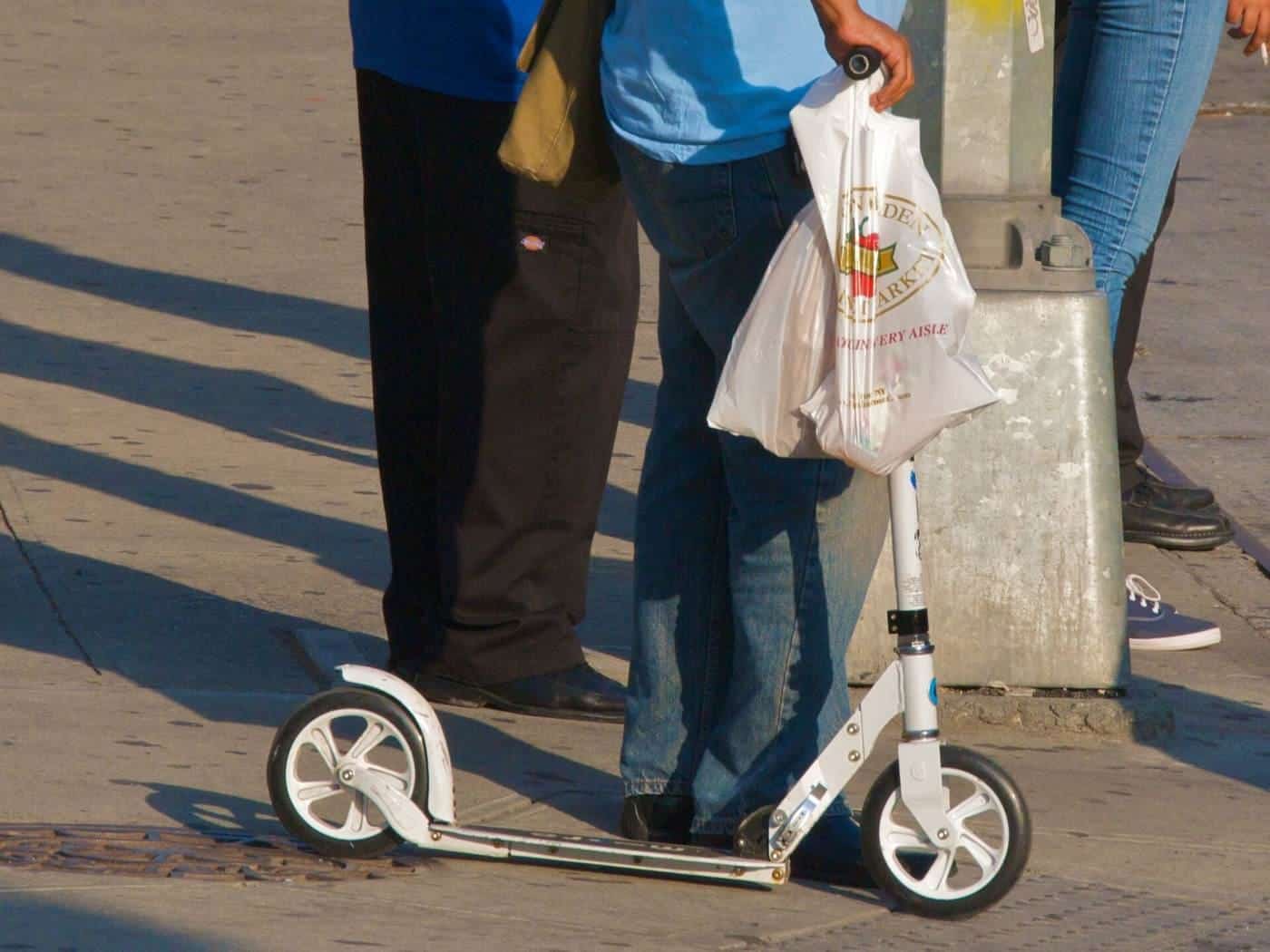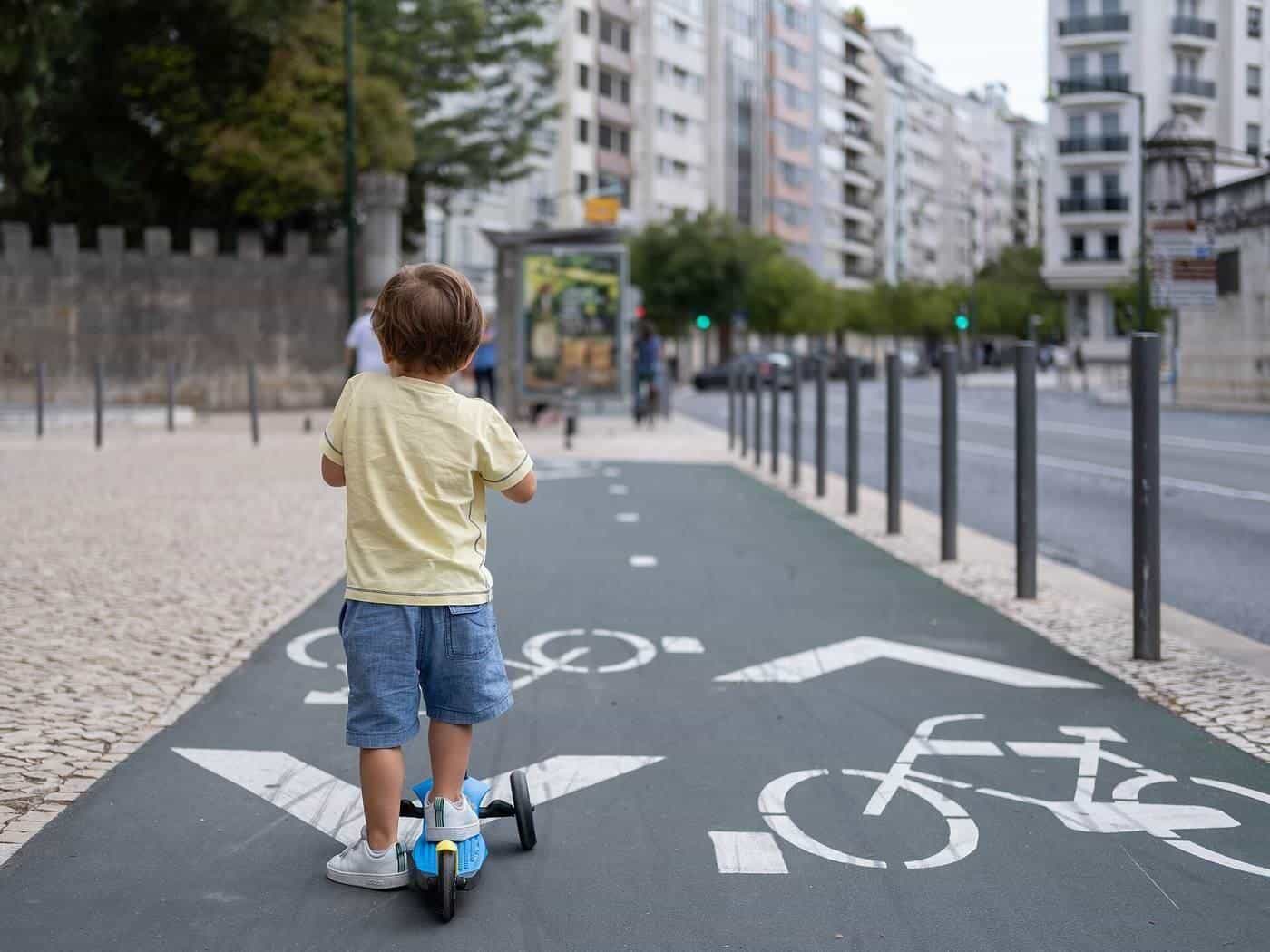
A kick scooter has few parts, but each one matters for safety: the brake, the wheels and bearings, the folding clamp and the handlebars. Better Health Channel notes that brakes become less effective with age, and that cheaper scooters may have folding mechanisms that give way under pressure. A simple routine catches problems early. This guide sets out what to check and when.
This guide is general information written in our own words, based on the official sources listed at the end. It isn't legal or medical advice. Road rules and e-scooter trials change, and councils can put up local signs that override the general rules, so check the current rules with Transport for NSW and follow any signs where you ride. Always follow your scooter manufacturer's instructions; if you're unsure, take it to a bike or scooter repair shop.
The 30-second pre-ride check
Before each ride:
- Folding clamp locked. Unfold the scooter and make sure the main clamp and any secondary safety latch are fully closed. Push and pull on the handlebars: there should be no movement at the fold.
- Height clamp tight. If the handlebar height adjusts, check the clamp is tight and the pin is fully engaged.
- Handlebars straight and secure. Hold the front wheel between your knees and try to twist the handlebars. They shouldn't move independently of the wheel.
- Brake works. Press the rear brake with your hand while pushing the scooter forward. It should stop the wheel firmly.
- Wheels spin freely. Lift each end and spin the wheel. It should spin smoothly without wobbling or grinding.
- Grips firm and bar ends capped.
Raising Children Network's scooter checklist (brakes, no sharp edges, a column that locks, grips, an anti-skid deck) is also a useful pre-ride reminder.
Brakes
Most kick scooters use a rear foot brake: a metal or plastic fender that presses on the back wheel. Over time the brake and the wheel wear. If the brake doesn't slow you quickly, check:
- whether the brake is bent, cracked or loose;
- whether the rear wheel is worn smaller, reducing contact;
- whether dirt or debris is between the brake and wheel.
Replace worn or damaged brakes. If your scooter has a hand brake, check the lever, cable and pads, and adjust cable tension following the manufacturer's instructions.
Wheels
Polyurethane wheels wear down over time, especially with hard braking and skidding. Check for flat spots, cracks, chunks missing and separation from the hub. Replace damaged wheels; uneven wheels make the ride rough and can cause falls. If your scooter has air-filled tyres, check pressure regularly.
Bearings
Bearings let the wheels spin. Signs of worn or dirty bearings include grinding noises, wheels that stop spinning quickly and wobble. Some bearings can be cleaned and lubricated; others are sealed and replaced. Keep water out of bearings, as rust ruins them.
The folding clamp and stem
The folding mechanism takes a lot of force. Better Health Channel warns that flimsy folding mechanisms on cheaper scooters may give way under pressure. Check regularly for cracks, worn pins, loose bolts and play in the joint. If the clamp won't lock firmly, stop riding the scooter until it's repaired or replaced.
Headset and handlebars
The headset connects the handlebar stem to the front fork. If the handlebars feel loose or rattle, the headset may need tightening. Check grips aren't slipping and bar-end caps are in place, as exposed metal ends can cause injuries in a fall.
Deck and grip tape
Check the deck for cracks, especially around the neck and rear. Replace worn grip tape so feet don't slip.
Cleaning
Wipe your scooter down with a damp cloth. Avoid hosing or soaking it, which can push water into bearings. After riding in the wet, dry it off, spin the wheels and store it somewhere dry.
Storage
Store your scooter indoors or under cover, away from rain and strong sun. UV exposure can harden wheels and grips over time.
Recalls
Check the ACCC's Product Safety Australia website for recalls of scooters and parts. If your scooter is recalled, stop using it and follow the instructions.
When to get help
If you're unsure about a repair, or the stem, deck or clamp is cracked, take it to a bike or scooter repair shop. Some problems, such as a cracked stem, mean it's time to replace the scooter.
A monthly check
Once a month, or more often if you ride daily, do a thorough check: inspect the clamp, stem and deck for cracks; tighten bolts to the manufacturer's specifications; check wheels for wear and bearings for noise; inspect the brake; and clean dirt from the wheels and brake. Keep a small tool kit with the right Allen keys for your scooter.
Spare parts
Before buying a scooter, check whether replacement wheels, bearings, brakes and grips are available. Scooters with standard-size parts are easier and cheaper to keep running. Keep the manual and note the model number, so you can find the right parts later.
Try the "Where can I ride?" checker
Our free ride checker lets you choose a kick scooter, a private e-scooter or a shared e-scooter, then pick a place, such as a footpath, shared path or road, and the time of day. It shows what the general NSW rules say, with a link to the official source. It runs entirely in your browser, and nothing you choose is sent anywhere. It's a guide only: local signs and changes to the rules always take priority.
Where our information comes from
Factual statements in our guides are based on official and authoritative sources, including Transport for NSW, the NSW Road Rules 2014, the NSW Government's e-scooter pages, Fire and Rescue NSW, the ACCC's Product Safety Australia, the Better Health Channel and Raising Children Network. We link to each source at the end of the page and write everything in our own words. We don't invent statistics, fines or prices, and where official sources disagree or change, we say so.
Rules change
Road rules, fines and e-scooter trials change from time to time. The NSW Government has said it's exploring options to change the rules for e-scooters, and trial sites open and close. Councils can also add local signs that ban scooters in particular places. Before relying on any rule, check the current information from Transport for NSW and follow the signs where you ride.
Riding with others in mind
Footpaths and shared paths belong to everyone. Riding at a sensible speed, keeping left, giving way to pedestrians and walking when it's busy make scooters welcome on Sydney's paths. Every rider who rides considerately helps keep paths open to scooters, and makes it easier for children to keep scooting to school and the park.
A note for parents and carers
Children learn by watching adults. If you ride a scooter or bicycle, wear your helmet, keep left, slow down near people and walk across roads. Talk about the rules as you go. Transport for NSW's Safety on Wheels information for parents is a helpful starting point, and Raising Children Network has practical advice on bike, scooter and skateboard safety.
Corrections and feedback
We review our guides against their sources and show the date each page was last checked. If you notice something out of date or incorrect, such as a change to the road rules or e-scooter trials, please tell us through our contact page. We read every message and correct mistakes promptly.
About this site
Kick Scooter Sydney is an independent information site. We aren't a scooter shop, hire company, government agency or safety authority, and we don't sell, review or recommend particular brands or shops. Our guides are general information, not legal or medical advice.
Key points
- Check the clamp, handlebars, brake and wheels before every ride.
- Replace worn brakes and wheels; brakes become less effective with age.
- Stop riding if the folding clamp won't lock firmly or the stem is cracked.
- Wipe, don't hose; dry after wet rides and store under cover.
- Check Product Safety Australia for recalls.
Frequently asked questions
How often should I check my scooter?
Do a quick check before each ride and a more thorough check every few weeks, or more often if you ride daily.
How do I know if my scooter brake is worn?
The brake should press firmly on the rear wheel and slow you quickly. Better Health Channel notes brakes become less effective with age, so replace a worn brake or wheel.
Can I wash my scooter with a hose?
Wipe it down instead. Water can get into bearings and cause rust. Dry it after riding in the wet.
When should I replace scooter wheels?
Replace wheels that are worn flat, cracked, chunked or wobbly, following the manufacturer's instructions.
Sources and further reading
Facts on this page were checked against these primary and official sources. Conditions change — confirm before you travel or buy.
- Scooters and child safety — Better Health Channel (Victorian Government)
- Bike, scooter and skateboard safety — Raising Children Network
- Skateboards, scooters and rollerblades — Transport for NSW
- Bicycle helmets mandatory standard — ACCC Product Safety Australia