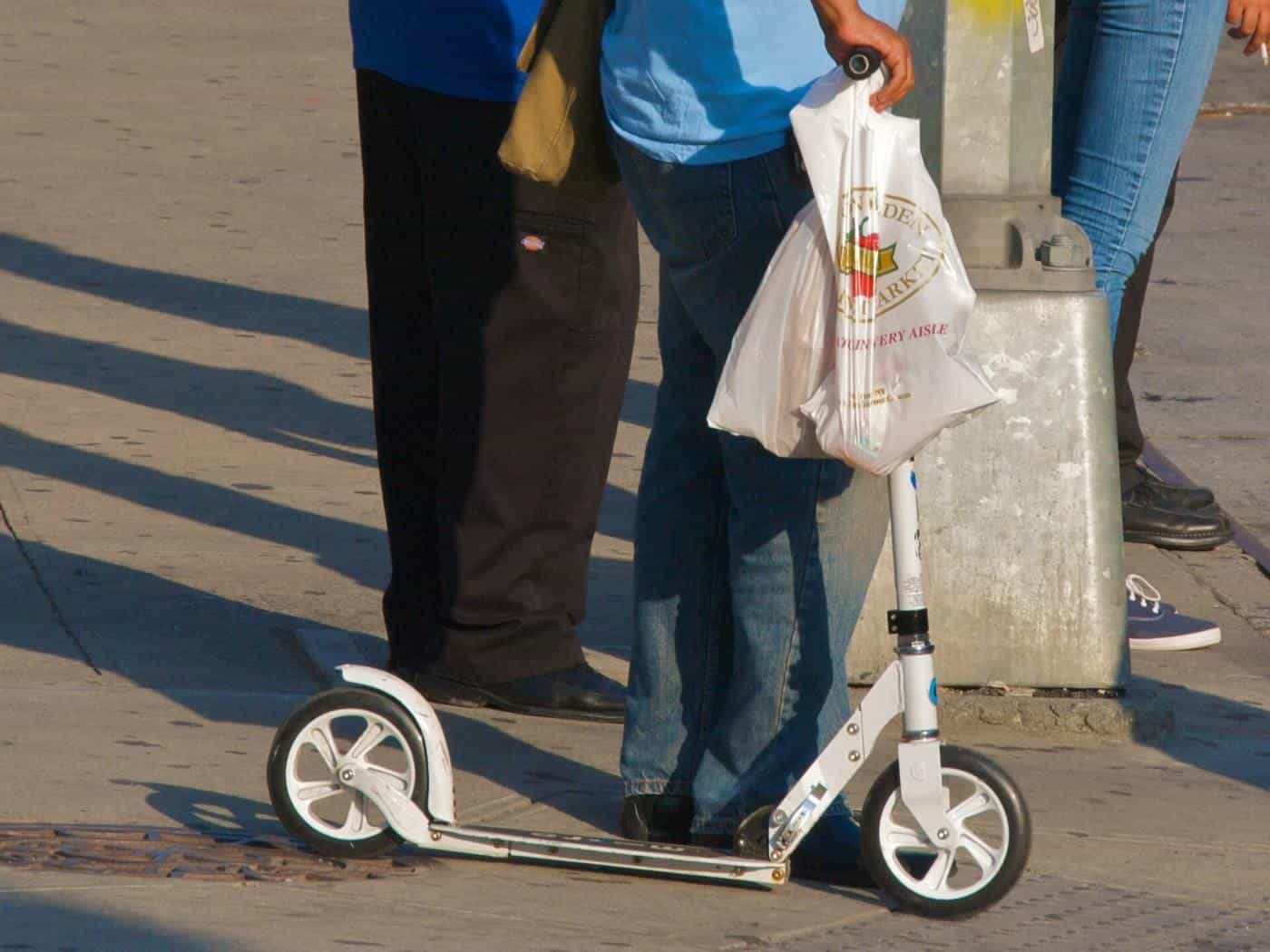
A good scooter, properly looked after, is safer and more fun to ride. These guides cover what to look for when buying, how to use a kick scooter for commuting, a simple maintenance routine and how to handle e-scooter batteries safely.
Guides in this section
- How to choose a kick scooter A buyer's checklist for kids and adults.
- Kick scooters for adults and commuters Wheels, folding, weight and route planning.
- Kick scooter maintenance Pre-ride checks, brakes, wheels, bearings and storage.
- E-scooter battery safety Charging, storage, warning signs and disposal.
No Australian Standard
Better Health Channel notes there's currently no Australian Standard for kick scooters, and warns that cheaper scooters may have dangerous design flaws such as flimsy folding mechanisms or sharp edges. That makes checking build quality important. Raising Children Network suggests looking for working brakes, no sharp edges, a column that locks, grips and an anti-skid deck.
Wheels matter
Small wheels are easily stopped by cracks and rough surfaces. Larger wheels roll more smoothly over Sydney's uneven footpaths, which is why many adult and commuter scooters have them.
Maintenance
Brakes become less effective with age, according to Better Health Channel. A 30-second check of the clamp, handlebars, brake and wheels before each ride catches most problems.
Battery safety
Fire and Rescue NSW warns that lithium-ion battery fires from e-bikes and e-scooters are a fast-growing fire risk in NSW. Charge on a hard surface away from exits, never while asleep or away, with the supplied or an approved charger, and stop using damaged or swollen batteries.
Recalls
Check the ACCC's Product Safety Australia website for recalls of scooters, helmets and e-scooter batteries before you buy and from time to time after.
Five things worth knowing
- Kick scooters can use footpaths in NSW unless a sign says otherwise. Keep left and give way to pedestrians.
- Road riding is limited: never at night, and not on roads with a dividing line, median strip, a limit above 50 km/h or multi-lane one-way traffic.
- Private e-scooters are illegal on NSW roads and paths. Shared e-scooters are legal only in trial areas.
- Wear a certified helmet plus wrist, elbow and knee guards. Falls are the most common cause of scooter injuries.
- Charge e-scooter batteries safely: on a hard surface, away from exits, never while asleep or away.
Kick scooters and e-scooters are different
It's easy to mix up the rules, because the two look similar. A kick scooter has no motor, and NSW road rules treat it as a wheeled recreational device, like a skateboard. It can be ridden on footpaths and shared paths, and on some quiet roads in daylight. An e-scooter has an electric motor. Privately owned e-scooters can't be ridden on NSW roads or paths, and shared e-scooters in trial areas must stay off footpaths, with riders aged 16 or older wearing approved helmets. When you read any rule, check which device it applies to.
Common mistakes to avoid
A few mistakes come up again and again. Riding fast past pedestrians on a busy footpath forgets that pedestrians have right of way. Riding on the road after sunset breaks the rules for kick scooters, even on a quiet street. Assuming a privately owned e-scooter is legal because it was bought in a shop can lead to a significant fine. Skipping wrist guards overlooks one of the most common injuries. And charging an e-scooter overnight in a hallway puts a fire risk on your escape route. Each of these is easy to avoid once you know the rules and the reasons.
Budget for the whole kit
When you budget for a scooter, include a certified helmet, wrist guards and pads, a light and, for commuters, a lock or carry strap. Spending a little more on a well-built scooter with available spare parts usually costs less over time than replacing a cheap one. We don't publish prices because they change often.
Kick or electric?
Before buying an electric scooter, remember that under current NSW rules a privately owned e-scooter can only be ridden on private property. A kick scooter can be ridden on most footpaths and shared paths today, needs no charging and has fewer parts to maintain.
Second-hand scooters
Second-hand kick scooters can be good value. Check the clamp, stem and deck for cracks, test the brake and spin the wheels. Never buy a second-hand helmet, and be cautious with second-hand e-scooter batteries.
About these guides
Kick Scooter Sydney is an independent information site about riding kick scooters and e-scooters in Sydney and NSW. We aren't a scooter shop, hire company, government agency or safety authority, and we don't review or recommend brands or shops. Our guides are general information written in our own words, with official sources listed on every page. They're not legal or medical advice.
How we keep these guides current
We review each guide against its sources and show the date it was last checked. Road rules, fines and e-scooter trials change, so if you notice something out of date, please tell us through our contact page and we'll check and correct it.
Try the ride checker
Our free Where can I ride? checker shows what the general NSW rules say for your scooter, the place and the time of day. It runs entirely in your browser, and nothing you choose is sent anywhere.
Guides in this section

Buying & care
How to choose a kick scooter
What to check before you buy a kick scooter for a child or adult: brakes, folding clamp, deck, wheels, handlebars, weight and fit.
Read · 6 min
Buying & care
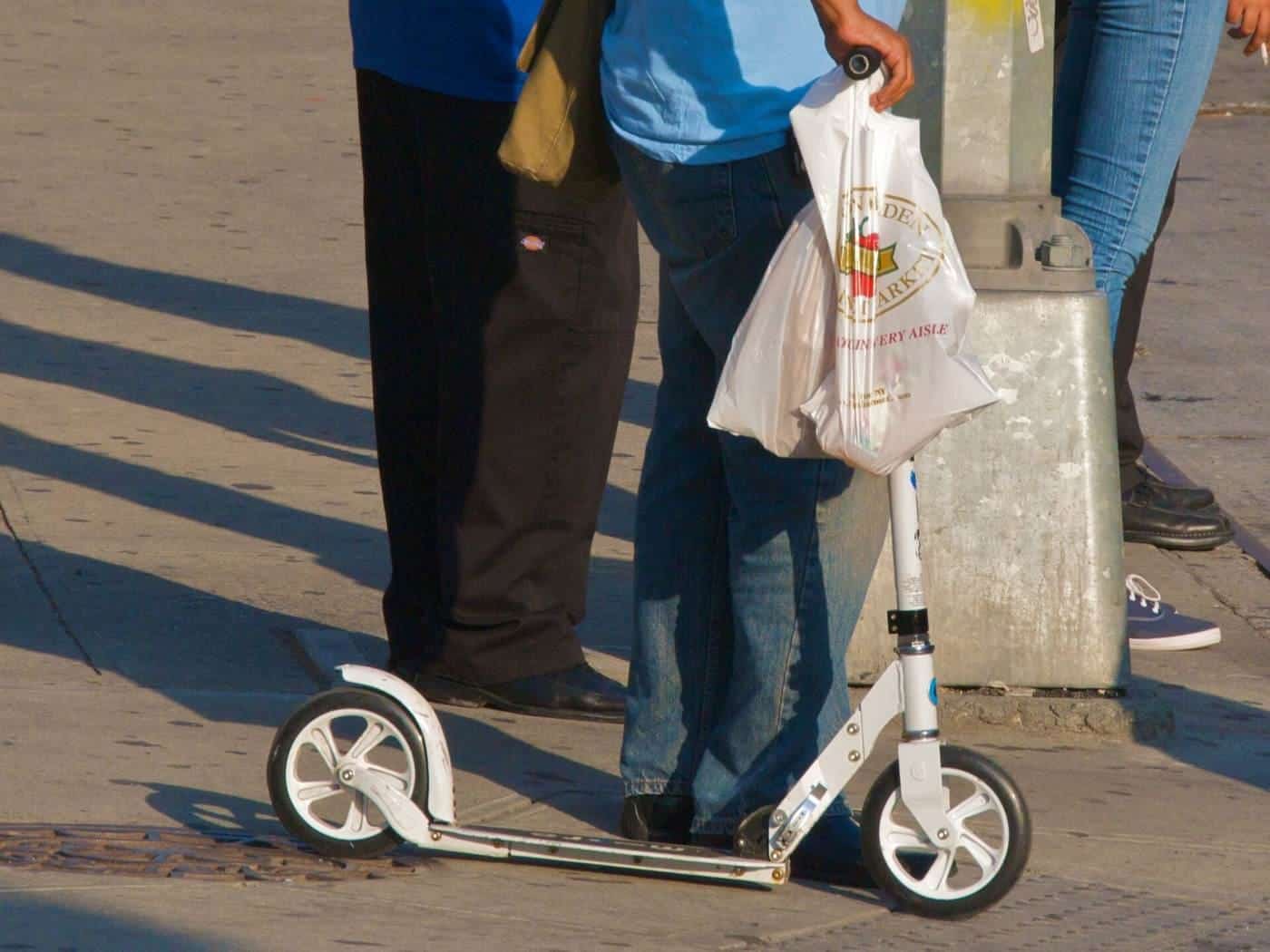
Kick scooters for adults and commuters
Using a kick scooter to commute in Sydney: wheel size, folding, weight, carrying on public transport, route planning and staying legal.
Read · 6 min
Buying & care
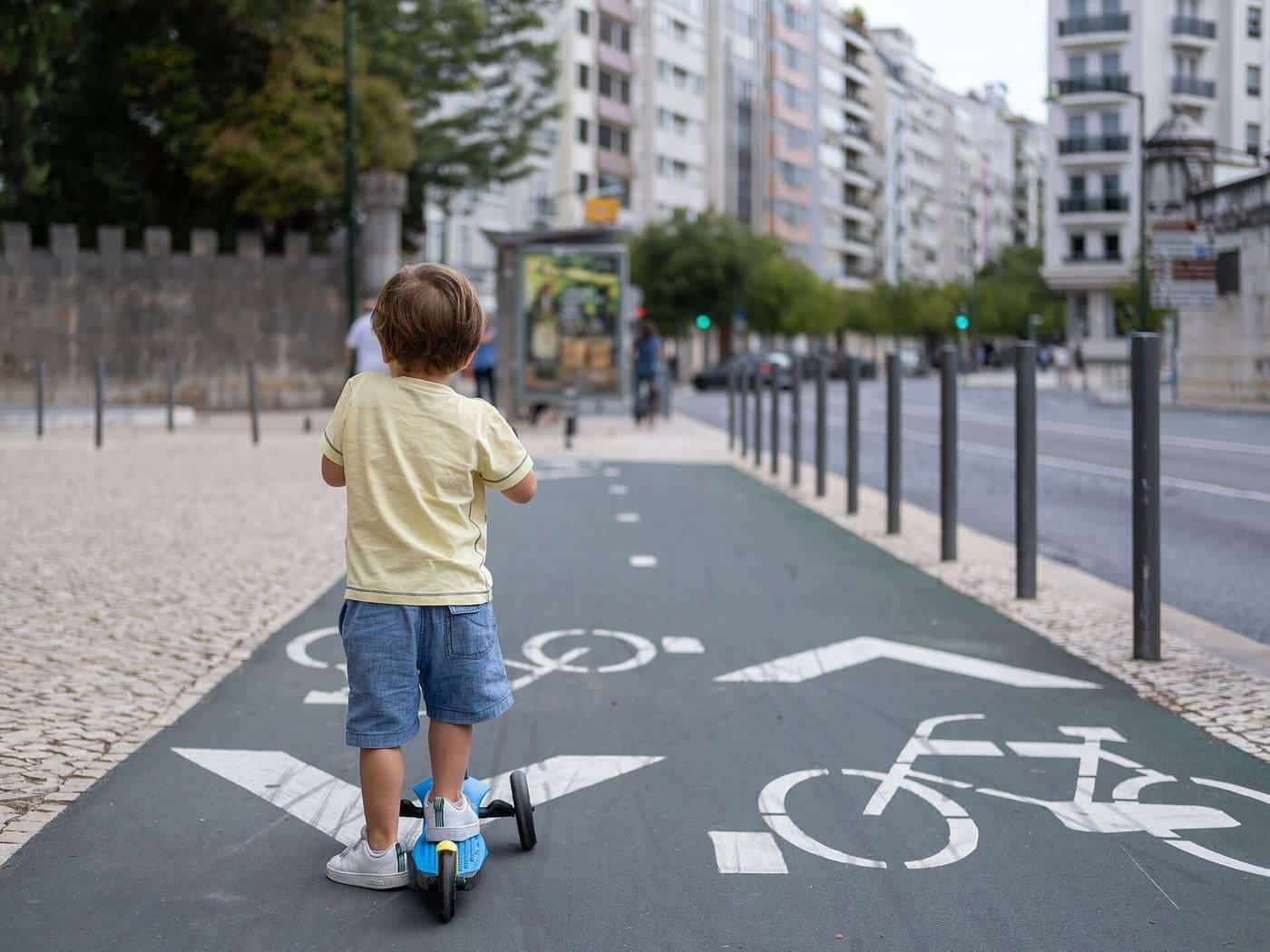
Kick scooter maintenance: a simple routine
A simple maintenance routine for kick scooters: pre-ride checks, brakes, wheels, bearings, the folding clamp, handlebars, cleaning and storage.
Read · 6 min
Buying & care
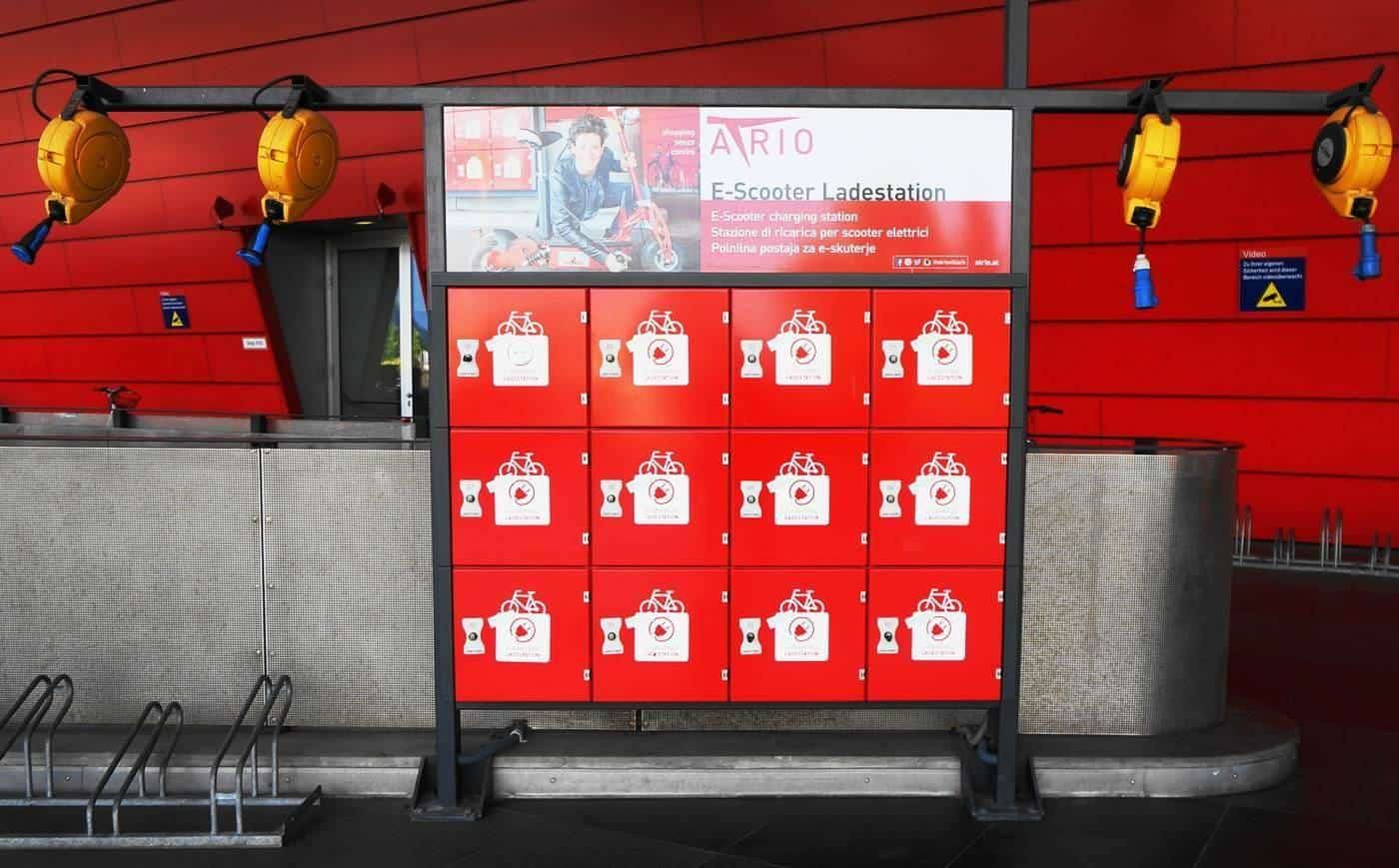
E-scooter battery safety: charging and storage
Fire and Rescue NSW advice on lithium-ion e-scooter batteries: safe charging, approved chargers, damaged batteries, storage and disposal.
Read · 6 min
Frequently asked questions
Is there an Australian Standard for kick scooters?
No. Better Health Channel notes there's currently no Australian Standard for kick scooters.
What should I check before buying?
Working brakes, no sharp edges, a handlebar column that locks, grips and an anti-skid deck, as Raising Children Network suggests.
How often should I check my scooter?
Do a quick check before every ride and a thorough check every few weeks.
How should I charge an e-scooter?
Fire and Rescue NSW advises charging on a hard surface away from exits, never while asleep or away, with an approved charger.
Sources and further reading
Facts on this page were checked against these primary and official sources. Conditions change — confirm before you travel or buy.
- Scooters and child safety — Better Health Channel (Victorian Government)
- Bike, scooter and skateboard safety — Raising Children Network
- Bicycle helmets mandatory standard — ACCC Product Safety Australia
- E-bike and e-scooter battery safety — Fire and Rescue NSW