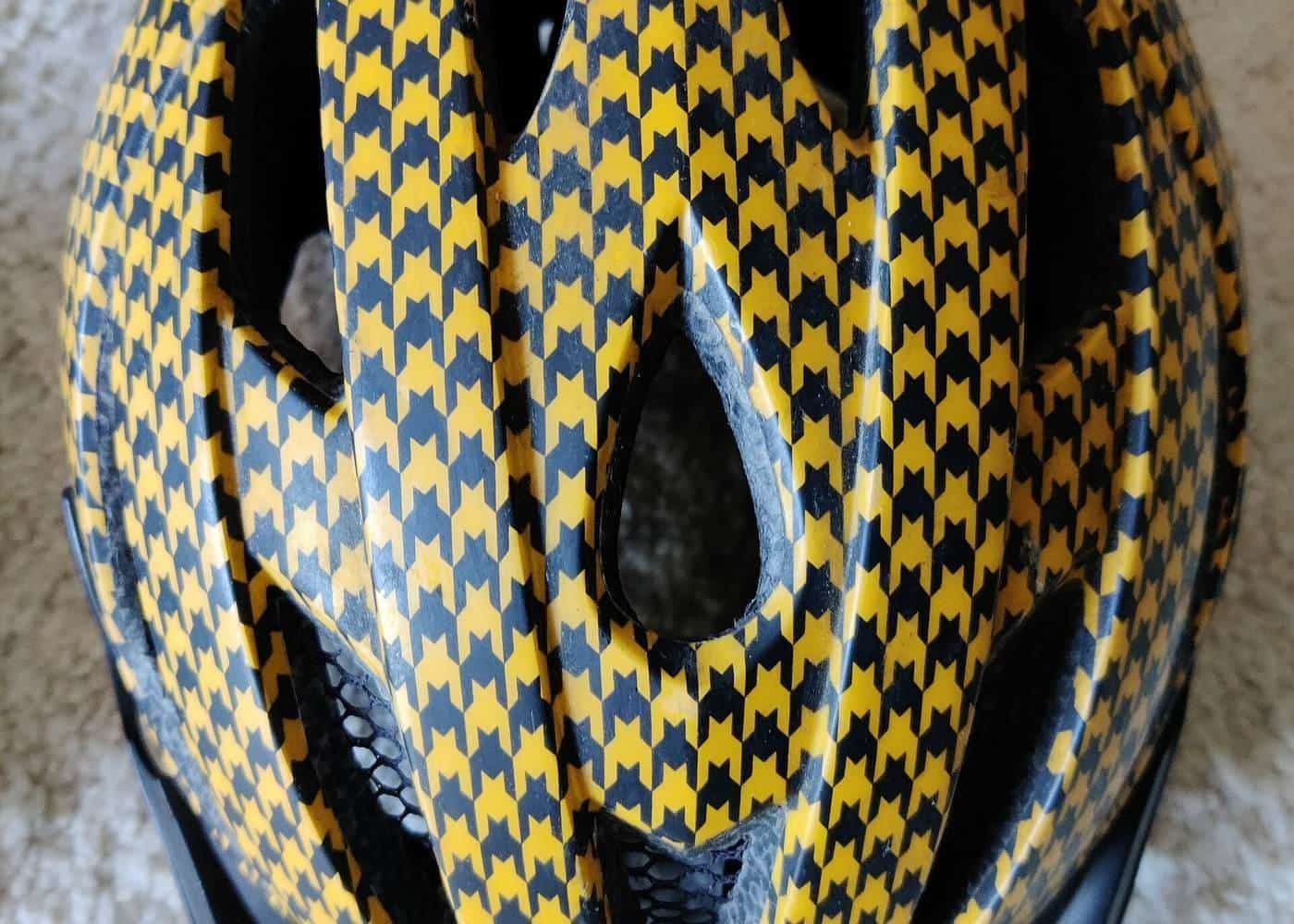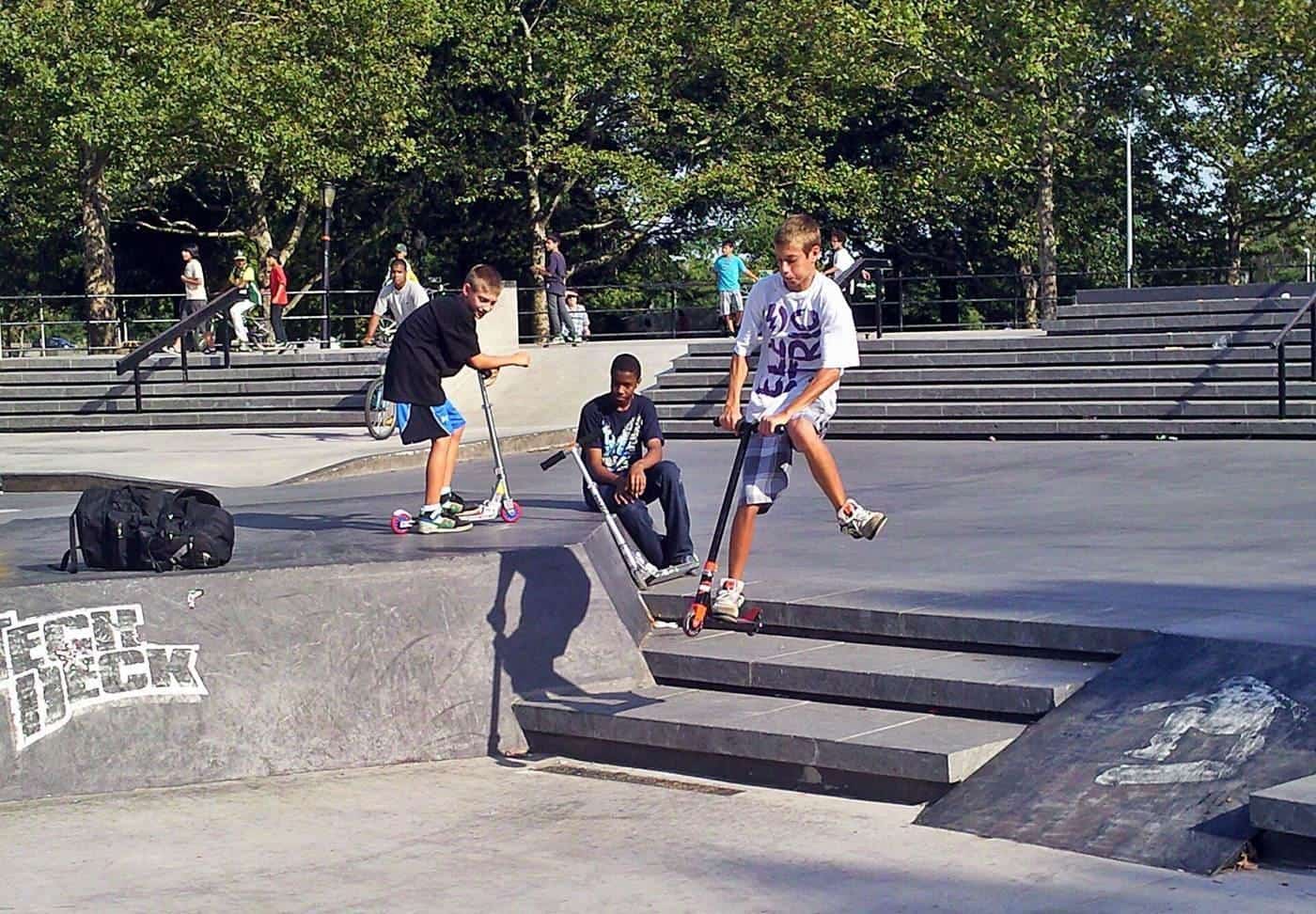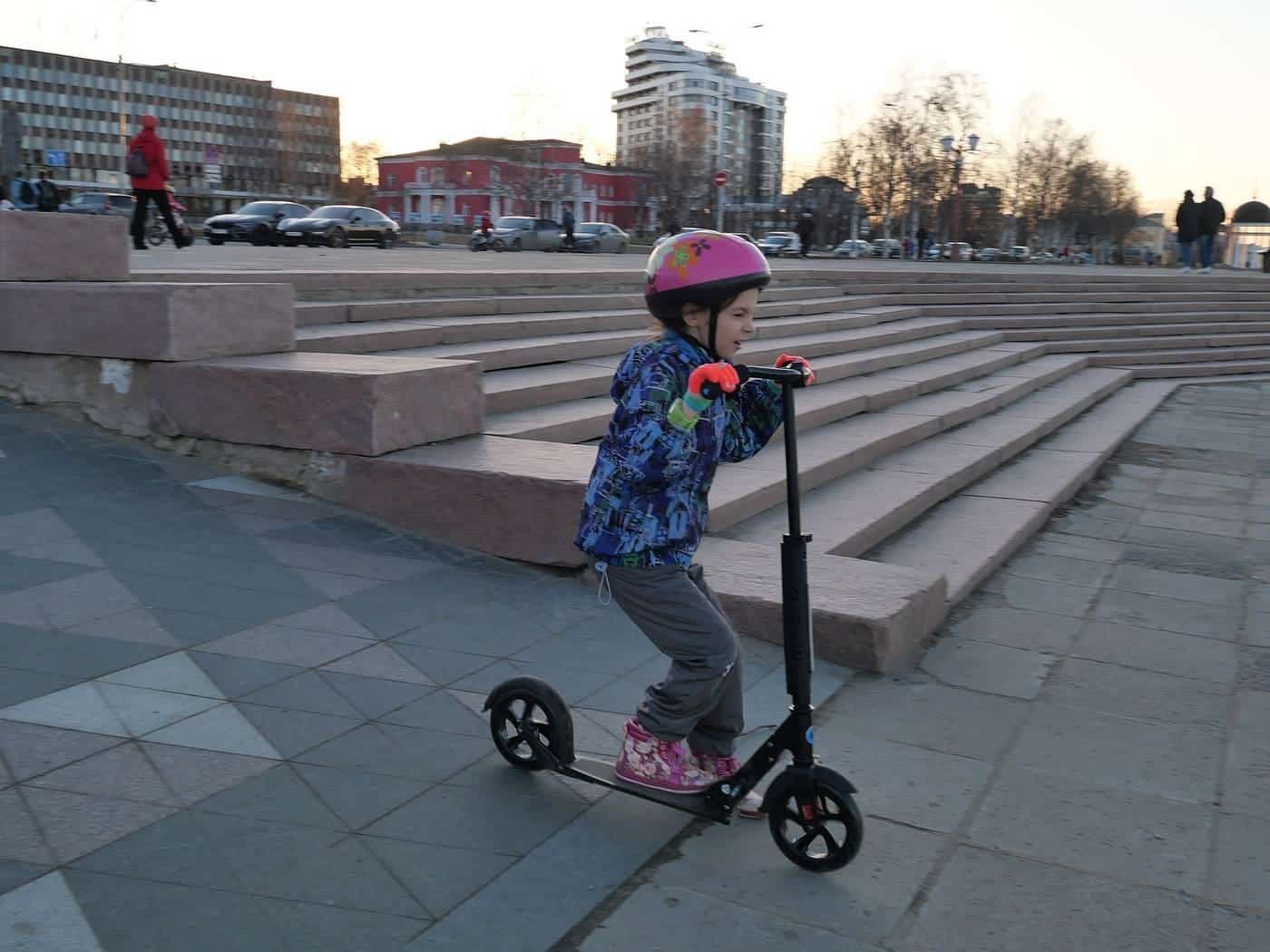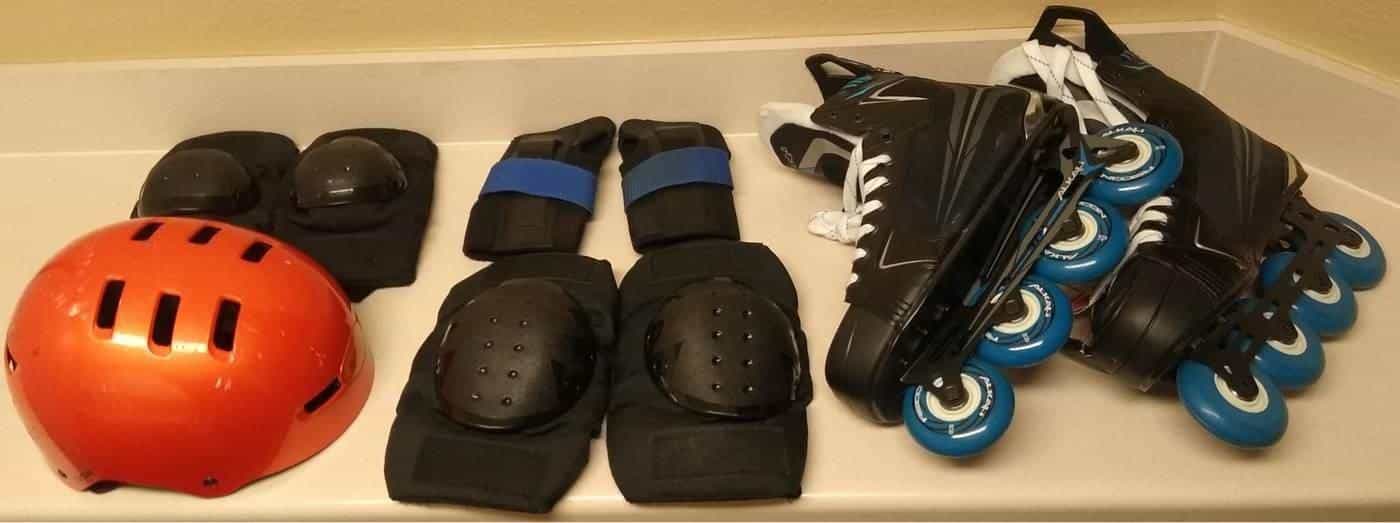
A helmet protects your head, but most scooter falls also involve your hands, wrists, elbows and knees. Protective gear is inexpensive compared with the cost of an injury, and it can make learning far less painful. This guide explains what to wear and why, based on advice from Transport for NSW, the Better Health Channel and Raising Children Network.
This guide is general information written in our own words, based on the official sources listed at the end. It isn't legal or medical advice. Road rules and e-scooter trials change, and councils can put up local signs that override the general rules, so check the current rules with Transport for NSW and follow any signs where you ride.
What the experts recommend
Transport for NSW recommends wearing a helmet and protective gear when riding a kick scooter. The Better Health Channel lists the essential safety equipment for scooter riders as a bicycle helmet plus guards for the wrists, elbows and knees. It describes falls and collisions as disturbingly common, and says young children and people learning to ride are most at risk.
Wrist guards
Wrist guards are often the most overlooked item, but they may be the most useful after a helmet. Better Health Channel explains that wrist fractures are particularly common because people falling instinctively put out their hands to save themselves. A wrist guard has a stiff splint that spreads the force of the fall and helps stop the wrist bending too far.
Choose wrist guards that fit snugly without cutting off circulation. The splint should sit on the palm side of the wrist. Put them on the correct hands: most are marked left and right.
Elbow and knee pads
Elbow and knee pads protect against grazes and bruises, and help cushion falls on hard surfaces. Hard-shell pads slide on impact, while soft pads cushion. Either is far better than bare skin on concrete. Make sure the pads stay in place when you bend and stretch: a pad that slips down your shin won't help when you fall.
Shoes
Wear closed, flat shoes with good grip. Your feet push off the ground and work the brake, so thongs, sandals, slides and bare feet increase the risk of slipping off the deck, stubbing toes and grazes. Laces should be tied and tucked so they can't catch in the wheels.
Clothing and visibility
Bright clothing helps drivers and path users see you. Better Health Channel advises dressing children in brightly coloured clothes so they're visible to drivers. Long sleeves and long pants add a little protection from grazes. Avoid loose clothing, scarves and long bag straps that could catch in the wheels.
Lights and reflectors
Kick scooters can't be ridden on NSW roads at night, but you may ride on paths in low light, such as at dusk or in shade. Raising Children Network notes that lights are needed for riding at night but advises that children shouldn't scoot at night at all. Better Health Channel describes proper night lighting as a white light at the front, a red light at the back and a red reflector on the back. A small clip-on light and reflective strips on your bag or helmet make you easier to see.
Making gear a habit
Gear only helps if it's worn. A few tips:
- Keep the helmet and pads with the scooter, so they're always ready.
- Let children choose the colour of their gear.
- Wear your own gear when riding with children.
- Make "helmet and pads on" the rule before the scooter rolls, even for short rides and backyard practice.
Gear for skate parks
Skate parks and pump tracks involve ramps, jumps and harder falls. Many riders add padded shorts, gloves and, for tricks, a helmet that covers more of the back of the head. Follow any rules posted at the park; some require helmets.
Checking and replacing gear
Check pads and guards for torn straps, worn Velcro and cracked shells. Replace items that no longer fit or fasten properly. Children outgrow gear quickly, so check sizes every few months.
A quick gear checklist
Before each ride:
- helmet fitted and buckled;
- wrist guards on the correct hands;
- elbow and knee pads in place;
- closed shoes with laces tucked;
- bright clothing;
- lights if you might ride in low light.
Fitting gear for children
Children's pads come in small sizes. Choose gear that fits snugly and stays in place when your child runs, crouches and falls. Velcro straps should close fully without overlapping the pad. Let children practise putting on their own gear, so it becomes part of their routine. Check fit often, because children grow quickly.
Hot weather
Sydney summers can make gear feel hot. Choose ventilated helmets and breathable pads, ride in cooler parts of the day, carry water and wear sunscreen. Don't skip the gear because it's warm; take short breaks in the shade instead.
Try the "Where can I ride?" checker
Our free ride checker lets you choose a kick scooter, a private e-scooter or a shared e-scooter, then pick a place, such as a footpath, shared path or road, and the time of day. It shows what the general NSW rules say, with a link to the official source. It runs entirely in your browser, and nothing you choose is sent anywhere. It's a guide only: local signs and changes to the rules always take priority.
Where our information comes from
Factual statements in our guides are based on official and authoritative sources, including Transport for NSW, the NSW Road Rules 2014, the NSW Government's e-scooter pages, Fire and Rescue NSW, the ACCC's Product Safety Australia, the Better Health Channel and Raising Children Network. We link to each source at the end of the page and write everything in our own words. We don't invent statistics, fines or prices, and where official sources disagree or change, we say so.
Rules change
Road rules, fines and e-scooter trials change from time to time. The NSW Government has said it's exploring options to change the rules for e-scooters, and trial sites open and close. Councils can also add local signs that ban scooters in particular places. Before relying on any rule, check the current information from Transport for NSW and follow the signs where you ride.
Riding with others in mind
Footpaths and shared paths belong to everyone. Riding at a sensible speed, keeping left, giving way to pedestrians and walking when it's busy make scooters welcome on Sydney's paths. Every rider who rides considerately helps keep paths open to scooters, and makes it easier for children to keep scooting to school and the park.
A note for parents and carers
Children learn by watching adults. If you ride a scooter or bicycle, wear your helmet, keep left, slow down near people and walk across roads. Talk about the rules as you go. Transport for NSW's Safety on Wheels information for parents is a helpful starting point, and Raising Children Network has practical advice on bike, scooter and skateboard safety.
Corrections and feedback
We review our guides against their sources and show the date each page was last checked. If you notice something out of date or incorrect, such as a change to the road rules or e-scooter trials, please tell us through our contact page. We read every message and correct mistakes promptly.
About this site
Kick Scooter Sydney is an independent information site. We aren't a scooter shop, hire company, government agency or safety authority, and we don't sell, review or recommend particular brands or shops. Our guides are general information, not legal or medical advice.
Key points
- Essential gear: helmet plus wrist, elbow and knee guards.
- Wrist fractures are common because people put out their hands when they fall.
- Wear closed, flat shoes with good grip and tuck laces away.
- Bright clothing, lights and reflectors help others see you.
- Keep gear with the scooter so it's worn every ride.
Frequently asked questions
What protective gear do I need for a scooter?
Better Health Channel lists a bicycle helmet and guards for the wrists, elbows and knees as essential safety equipment for scooter riders.
Why are wrist guards important?
Better Health Channel notes wrist fractures are particularly common, because people instinctively put out their hands when they fall.
What shoes are best for scooting?
Closed, flat shoes with good grip. Avoid thongs, sandals and bare feet.
Do I need lights on a scooter?
Raising Children Network notes lights are needed if you ride at night, but advises that children shouldn't scoot at night. Kick scooters can't be ridden on roads at night in NSW.
Sources and further reading
Facts on this page were checked against these primary and official sources. Conditions change — confirm before you travel or buy.
- Scooters and child safety — Better Health Channel (Victorian Government)
- Skateboards, scooters and rollerblades — Transport for NSW
- Bike, scooter and skateboard safety — Raising Children Network
- Safety on wheels (parent information) — Transport for NSW