Most of the time, the best place for a kick scooter in Sydney is the footpath or a shared path. But there are streets with no footpath, quiet back roads and laneways where riders end up on the road. NSW road rules allow this in limited situations and set firm limits on where and when. This guide explains those rules, and why Transport for NSW doesn't recommend road riding for children.
This guide is general information written in our own words, based on the official sources listed at the end. It isn't legal or medical advice. Road rules and e-scooter trials change, and councils can put up local signs that override the general rules, so check the current rules with Transport for NSW and follow any signs where you ride.
The basic rule: daylight, quiet roads only
Regulation 240 of the Road Rules 2014 deals with wheeled recreational devices, including kick scooters, on roads. In summary, you must not ride on a road:
- at night;
- with a dividing line or median strip;
- with a speed limit above 50 km/h;
- that is a one-way road with more than one marked lane.
You also can't ride on any road where signs prohibit wheeled recreational devices. Transport for NSW sums this up as: you may only ride on roads during daylight hours, and not on roads with a dividing line or median strip, a speed limit over 50 km/h, or one-way roads with more than one marked lane.
Crossing is treated differently. The regulation allows you to cross a road by the shortest safe route, including at night. Many riders get off and walk across busy roads.
What "night" means
The road rules define night as the period between sunset and sunrise. In winter, that can mean the ride home from school or work is after dark. If you're riding near sunset, plan to be off the road and on a footpath or shared path before it gets dark. Wearing bright clothing and fitting lights helps you be seen, but it doesn't make road riding at night legal.
Keeping left on the road
When you do ride on a road, regulation 241 requires you to keep as far to the left side of the road as practicable. You must not travel alongside more than one other vehicle or wheeled recreational device, so riding in a bunch of three or more across the lane isn't allowed. A separate rule, regulation 244, says a person on a wheeled recreational device must not hold onto a moving vehicle, a common and dangerous habit with scooters.
Why road riding is risky
A kick scooter is small, low and relatively slow compared with a car, and it has small wheels that can catch on potholes, drain grates, tram tracks and road debris. Drivers may not expect a scooter on the road and may not see a rider, especially a child, between parked cars. A fall on the road carries the added danger of passing traffic. That's why Transport for NSW and the rules point riders towards footpaths and shared paths, and keep road riding to quiet, low-speed streets in daylight.
Children and road riding
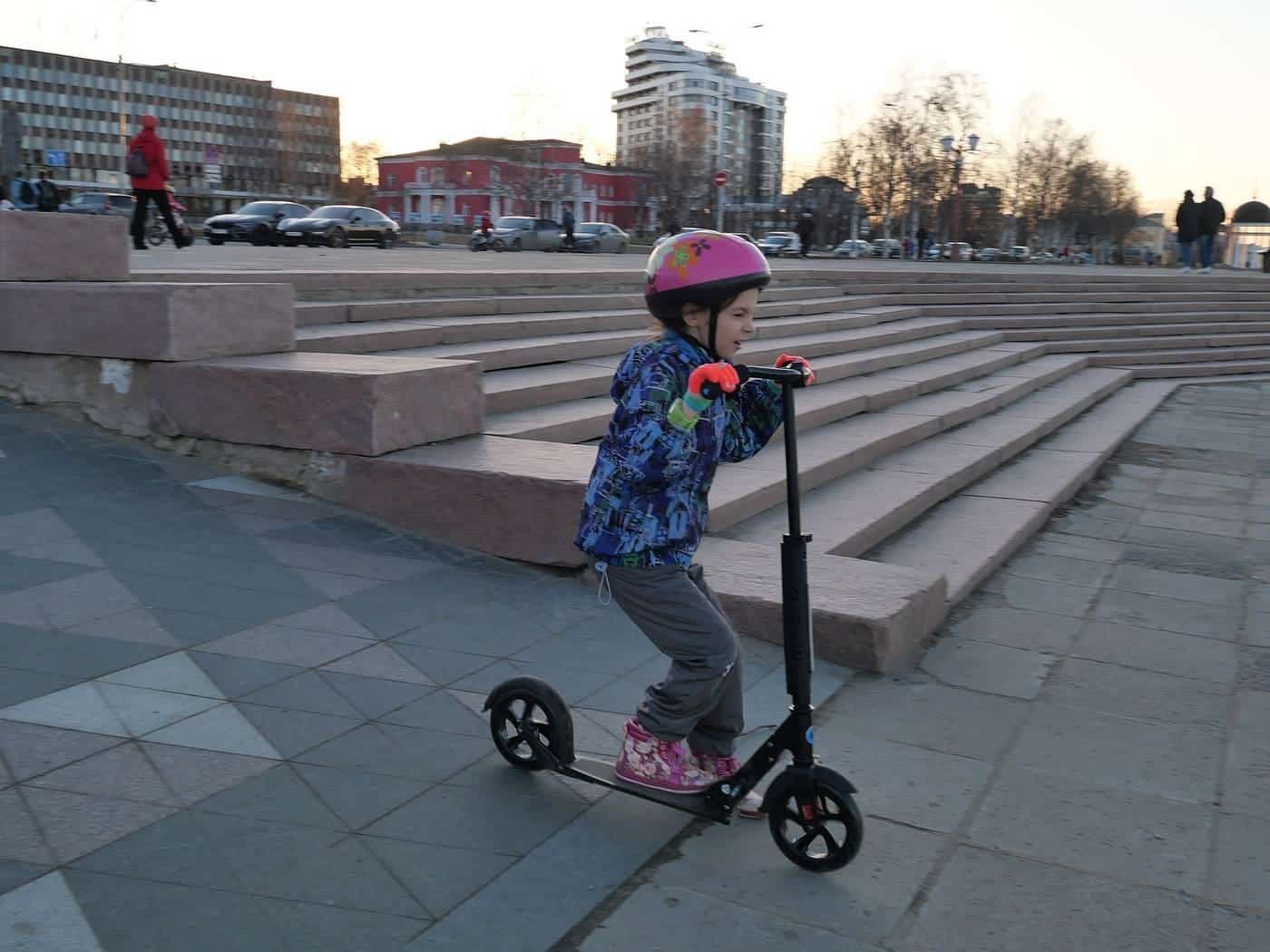
Transport for NSW says riding on the road isn't recommended for school-aged or younger children, even where it's legal. Children are still developing the skills to judge the speed and distance of traffic, and they're harder for drivers to see. Its Safety on Wheels information for parents encourages adults to supervise young riders, choose safe places away from traffic and model safe behaviour themselves. Our kids and scooters guide covers this in more detail.
Driveways and laneways
Driveways and laneways are common places for collisions between scooters and cars. Drivers reversing out of driveways may not see a small rider on the footpath. When you pass a driveway, slow down, look and listen for vehicles, and be ready to stop. Laneways often have no footpath, and they're shared with delivery vehicles and cars. Ride slowly and keep left, or walk.
Bike lanes
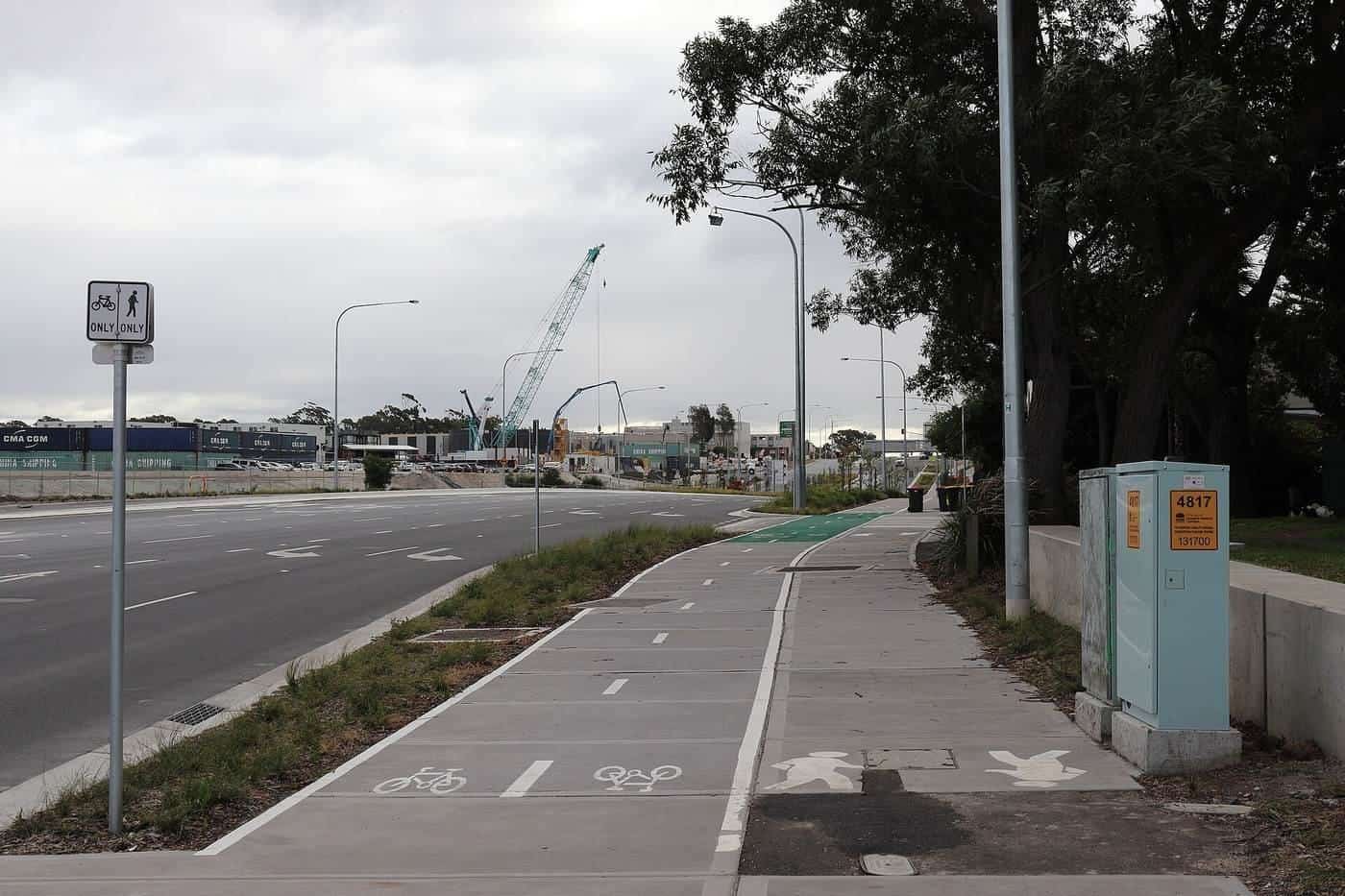
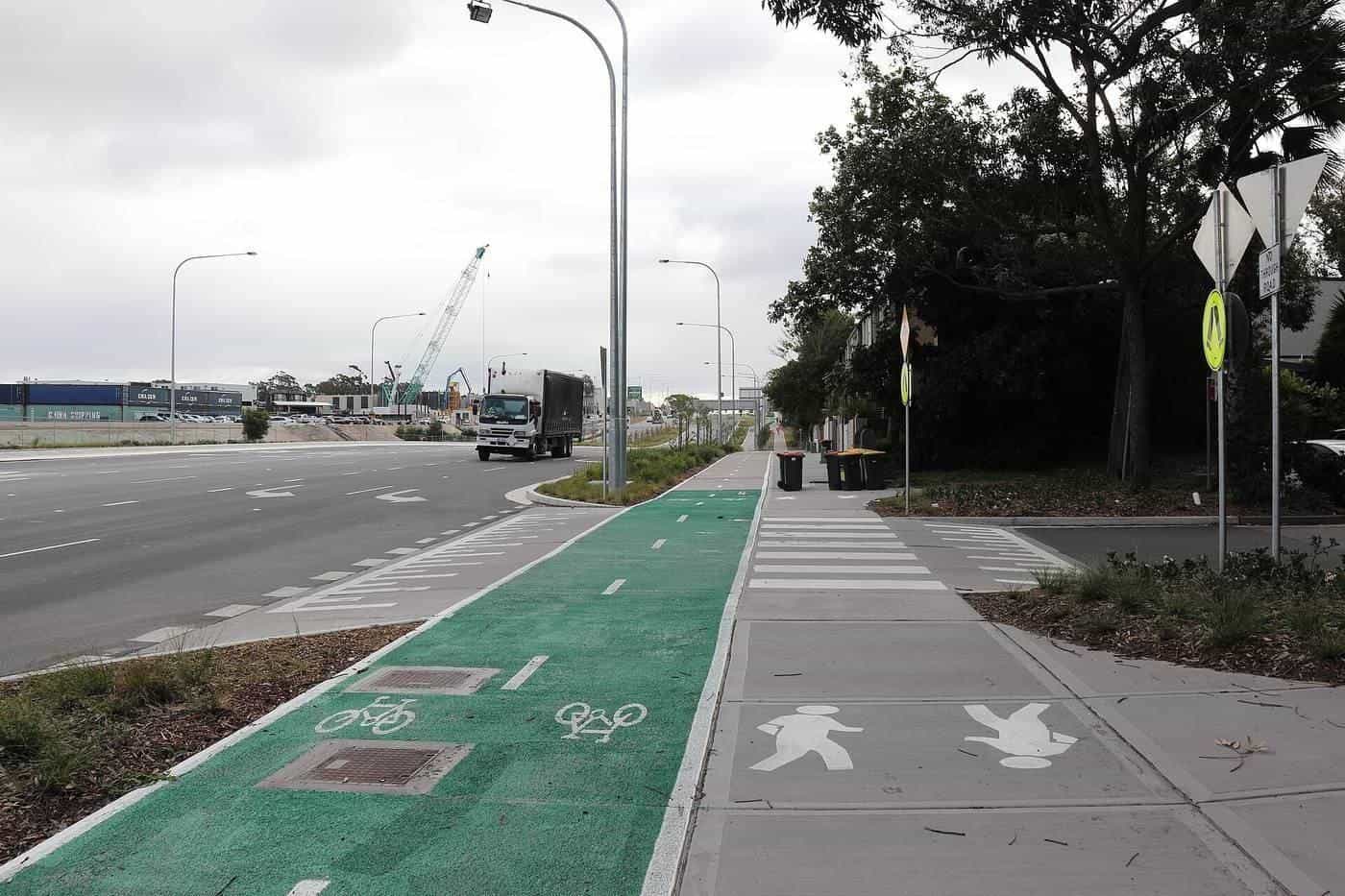
Painted bike lanes on the road are part of the road. If the road itself meets the conditions in regulation 240, riding a kick scooter in its bike lane in daylight follows the same rules. If the road has a speed limit above 50 km/h or a dividing line, it isn't allowed, even in a bike lane. When in doubt, choose a shared path or footpath.
Lights and visibility
Even in daylight, visibility matters. Bright clothing, a white front light and a red rear light help drivers see you in shade, rain and low sun. A bell lets pedestrians know you're coming on paths. These aren't substitutes for following the rules, but they make every ride safer.
Before you ride on the road
Ask yourself a few questions:
- Is it daylight, and will I finish before sunset?
- Is the speed limit 50 km/h or less, with no dividing line or median strip?
- Is it a two-way road, or a one-way road with only one lane?
- Is there a footpath or shared path I could use instead?
- Am I confident handling traffic, and is my scooter in good condition?
If the answer to any of the first three is no, the road is off limits. If there's a footpath or shared path, it's usually the better choice anyway.
Common questions about specific roads
A quiet suburban street with no centre line, signed 50 km/h. Riding in daylight is allowed, keeping as far left as practicable. The same street at 6 pm in winter. If it's after sunset, it's night, so get onto the footpath. A 40 km/h school zone with a painted centre line. The dividing line means road riding isn't allowed. A one-way laneway with a single lane. Allowed in daylight unless signs say otherwise, but take care with delivery vehicles.
Parents: setting family rules
Many families set simple rules that go further than the law, such as "footpaths only", "always stop at driveways" and "walk across every road". Clear family rules are easier for children to remember than the details of regulation 240. Review them as children grow in skill and confidence, and lead by example when you ride together.
Try the "Where can I ride?" checker
Our free ride checker lets you choose a kick scooter, a private e-scooter or a shared e-scooter, then pick a place, such as a footpath, shared path or road, and the time of day. It shows what the general NSW rules say, with a link to the official source. It runs entirely in your browser, and nothing you choose is sent anywhere. It's a guide only: local signs and changes to the rules always take priority.
Where our information comes from
Factual statements in our guides are based on official and authoritative sources, including Transport for NSW, the NSW Road Rules 2014, the NSW Government's e-scooter pages, Fire and Rescue NSW, the ACCC's Product Safety Australia, the Better Health Channel and Raising Children Network. We link to each source at the end of the page and write everything in our own words. We don't invent statistics, fines or prices, and where official sources disagree or change, we say so.
Rules change
Road rules, fines and e-scooter trials change from time to time. The NSW Government has said it's exploring options to change the rules for e-scooters, and trial sites open and close. Councils can also add local signs that ban scooters in particular places. Before relying on any rule, check the current information from Transport for NSW and follow the signs where you ride.
Key points
- Kick scooters can be ridden on some roads in daylight only.
- Not allowed on roads with a dividing line, median strip, speed limit above 50 km/h or multi-lane one-way roads.
- Keep as far left as practicable and don't ride more than two abreast.
- Never hold onto a moving vehicle.
- Transport for NSW doesn't recommend road riding for school-aged or younger children.
Frequently asked questions
Can I ride a kick scooter on the road at night?
No. Regulation 240 of the NSW Road Rules 2014 says you must not ride a wheeled recreational device on a road at night. You can still cross the road.
Which roads can't I ride a scooter on?
Roads with a dividing line or median strip, roads with a speed limit above 50 km/h, and one-way roads with more than one marked lane, plus anywhere signs prohibit it.
Can two scooter riders ride side by side on the road?
Regulation 241 says you must not travel alongside more than one other vehicle or wheeled recreational device on a road.
Should children ride scooters on the road?
Transport for NSW says riding on the road isn't recommended for school-aged or younger children, even where it's legal.
Sources and further reading
Facts on this page were checked against these primary and official sources. Conditions change — confirm before you travel or buy.
- Skateboards, scooters and rollerblades — Transport for NSW
- Road Rules 2014 (NSW) reg 240: wheeled recreational devices and toys on roads — NSW Legislation via AustLII
- Road Rules 2014 (NSW) reg 241: keeping left on roads — NSW Legislation via AustLII
- Safety on wheels (parent information) — Transport for NSW