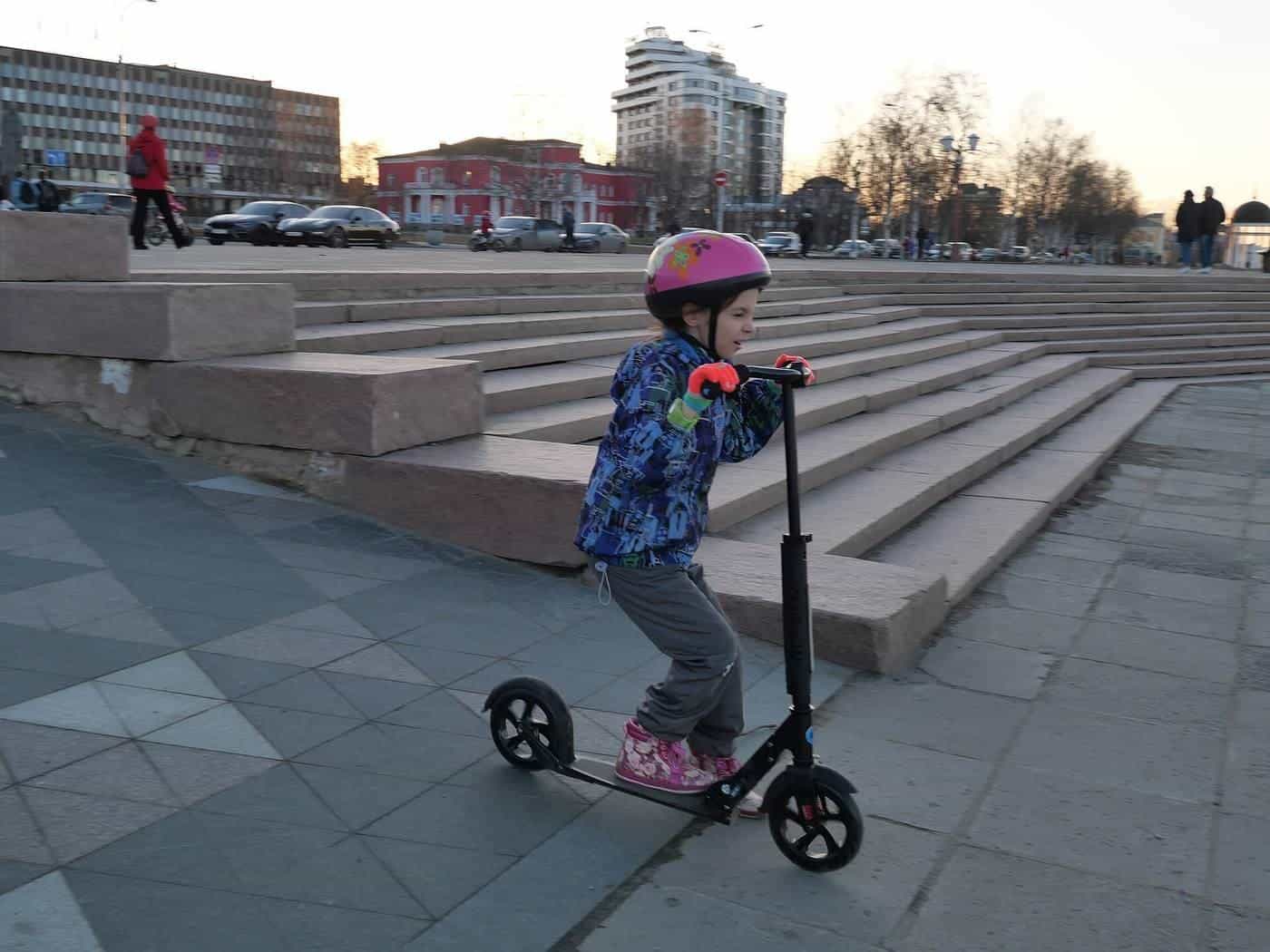
Scooting is fun and good exercise, but falls are common, especially for young children and new riders. These guides bring together advice from Transport for NSW, the Better Health Channel, Raising Children Network and the ACCC on staying safe.
Guides in this section
- Scooter helmets: choosing and fitting one Labels to look for, fitting and replacing.
- Protective gear for scooter riders Wrist guards, pads, shoes, clothing and lights.
- Kids and scooters: a parent's guide Age, supervision, where to ride and teaching the rules.
- Scooter falls and injuries Why falls happen, prevention and when to get help.
Helmets first
Transport for NSW recommends a helmet and protective gear on kick scooters, and helmets are compulsory for shared e-scooters in NSW trials. Look for a certification label such as BSI, Global-Mark, SAI Global or AUS. Fit the helmet level, just above the eyebrows, with a firm, untwisted chinstrap, and replace it after any impact.
Protect wrists, elbows and knees
Better Health Channel lists wrist, elbow and knee guards as essential alongside a helmet, and notes that wrist fractures are particularly common because people put out their hands when they fall.
Children
There's no legal minimum age for kick scooters, but Better Health Channel says child safety experts regard scooters as an inappropriate toy for children under eight. Supervise young riders, choose safe places away from traffic, and remember that Transport for NSW doesn't recommend road riding for school-aged or younger children.
Why falls happen
Small wheels, low clearance and brakes that can't grip much surface make losing control on rough surfaces quite likely, according to Better Health Channel. Smooth surfaces, controlled speed, dry conditions and a well-maintained scooter all reduce the risk.
In an emergency
Call Triple Zero (000) in an emergency. For health advice, healthdirect is available 24 hours a day on 1800 022 222.
Five things worth knowing
- Kick scooters can use footpaths in NSW unless a sign says otherwise. Keep left and give way to pedestrians.
- Road riding is limited: never at night, and not on roads with a dividing line, median strip, a limit above 50 km/h or multi-lane one-way traffic.
- Private e-scooters are illegal on NSW roads and paths. Shared e-scooters are legal only in trial areas.
- Wear a certified helmet plus wrist, elbow and knee guards. Falls are the most common cause of scooter injuries.
- Charge e-scooter batteries safely: on a hard surface, away from exits, never while asleep or away.
Kick scooters and e-scooters are different
It's easy to mix up the rules, because the two look similar. A kick scooter has no motor, and NSW road rules treat it as a wheeled recreational device, like a skateboard. It can be ridden on footpaths and shared paths, and on some quiet roads in daylight. An e-scooter has an electric motor. Privately owned e-scooters can't be ridden on NSW roads or paths, and shared e-scooters in trial areas must stay off footpaths, with riders aged 16 or older wearing approved helmets. When you read any rule, check which device it applies to.
Common mistakes to avoid
A few mistakes come up again and again. Riding fast past pedestrians on a busy footpath forgets that pedestrians have right of way. Riding on the road after sunset breaks the rules for kick scooters, even on a quiet street. Assuming a privately owned e-scooter is legal because it was bought in a shop can lead to a significant fine. Skipping wrist guards overlooks one of the most common injuries. And charging an e-scooter overnight in a hallway puts a fire risk on your escape route. Each of these is easy to avoid once you know the rules and the reasons.
Safety checklist before every ride
- Helmet fitted, level and buckled.
- Wrist guards, elbow and knee pads on.
- Closed shoes with laces tucked.
- Bright clothing; lights if the light is low.
- Scooter checked: clamp locked, brake working, wheels spinning freely.
- Route planned on footpaths and shared paths, away from busy roads.
Learning at any age
Adults returning to scooting after many years benefit from the same approach as children: start somewhere flat and quiet, practise braking and steering, wear the gear and build up gradually. Confidence comes quickly, but small wheels still catch on cracks, so stay alert.
About these guides
Kick Scooter Sydney is an independent information site about riding kick scooters and e-scooters in Sydney and NSW. We aren't a scooter shop, hire company, government agency or safety authority, and we don't review or recommend brands or shops. Our guides are general information written in our own words, with official sources listed on every page. They're not legal or medical advice.
How we keep these guides current
We review each guide against its sources and show the date it was last checked. Road rules, fines and e-scooter trials change, so if you notice something out of date, please tell us through our contact page and we'll check and correct it.
Try the ride checker
Our free Where can I ride? checker shows what the general NSW rules say for your scooter, the place and the time of day. It runs entirely in your browser, and nothing you choose is sent anywhere.
Guides in this section
Safety
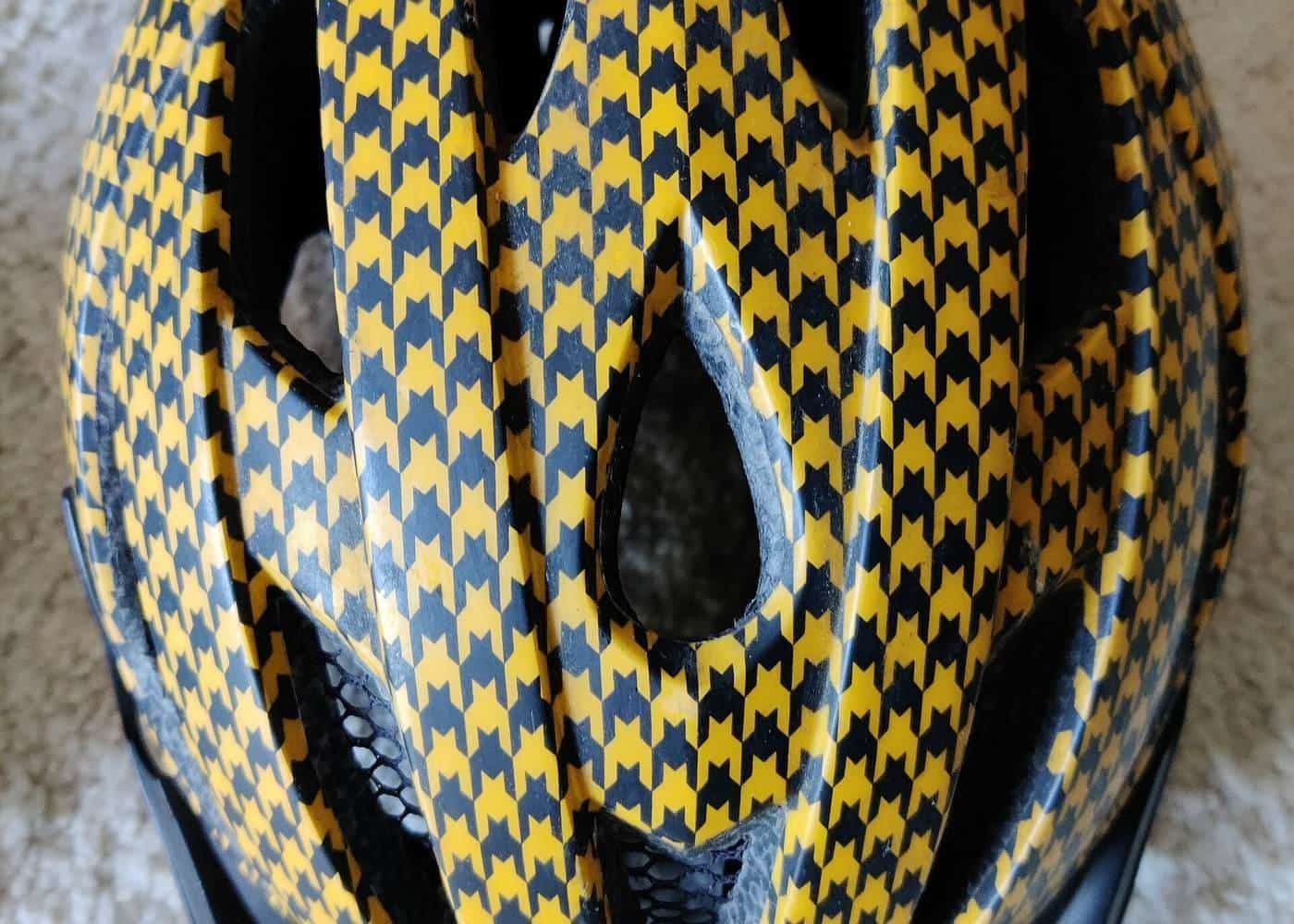
Scooter helmets: choosing and fitting one
Why a helmet matters on a kick scooter, the labels to look for in Australia, how to fit one properly and when to replace it.
Read · 6 min
Safety
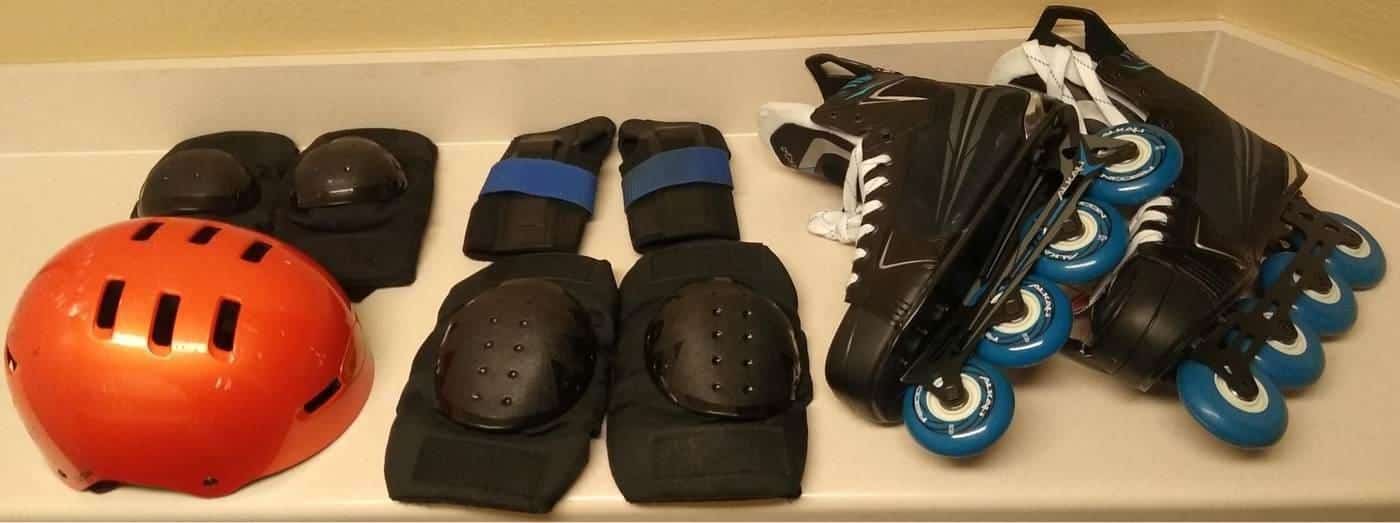
Protective gear for scooter riders
Wrist guards, elbow and knee pads, shoes, bright clothing and lights: the protective gear that makes kick scooter riding safer, and why.
Read · 6 min
Safety
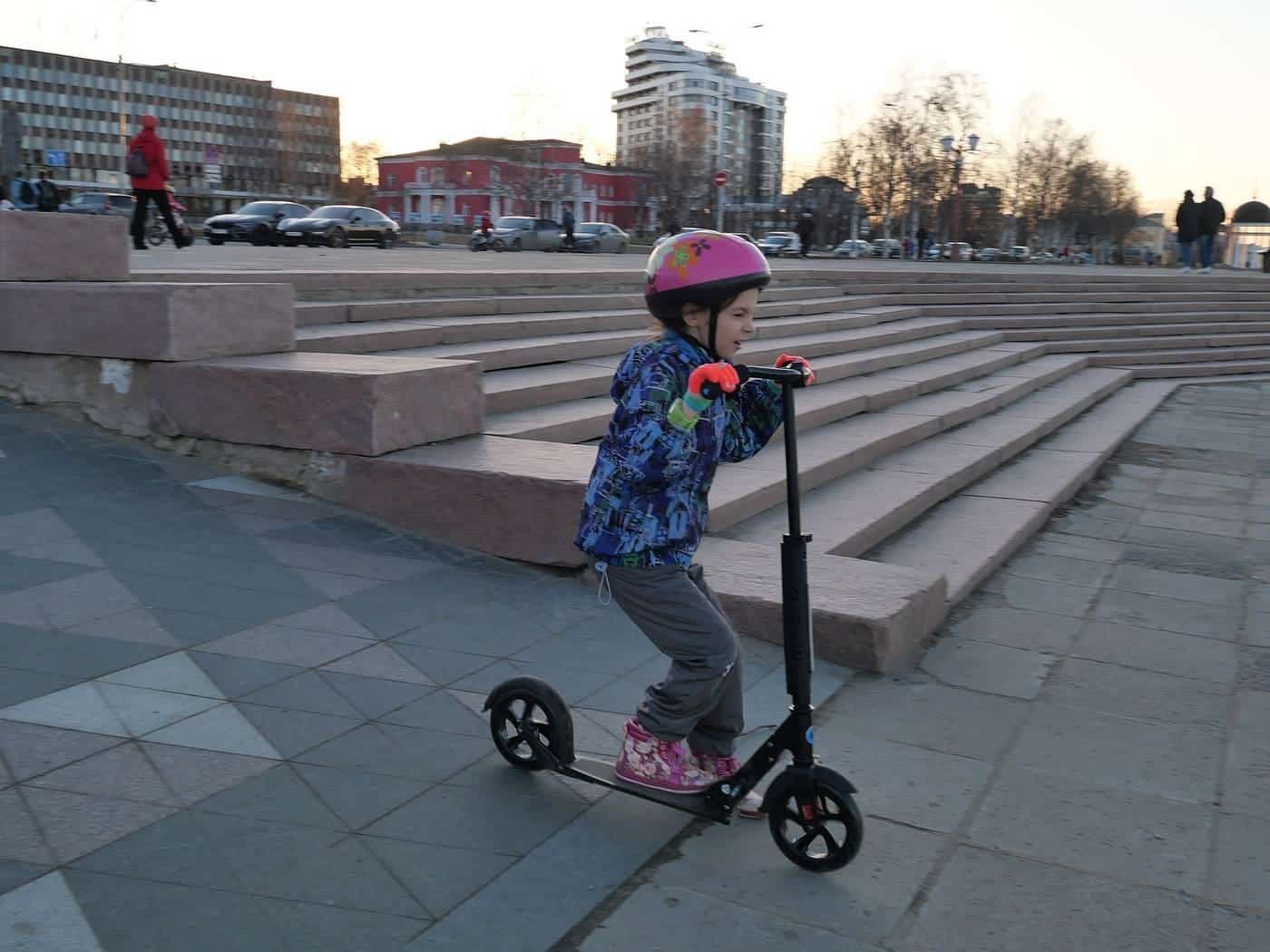
Kids and scooters: a parent's guide
Age guidance, supervision, where children should ride, teaching road safety and choosing the right scooter: a guide for NSW parents.
Read · 6 min
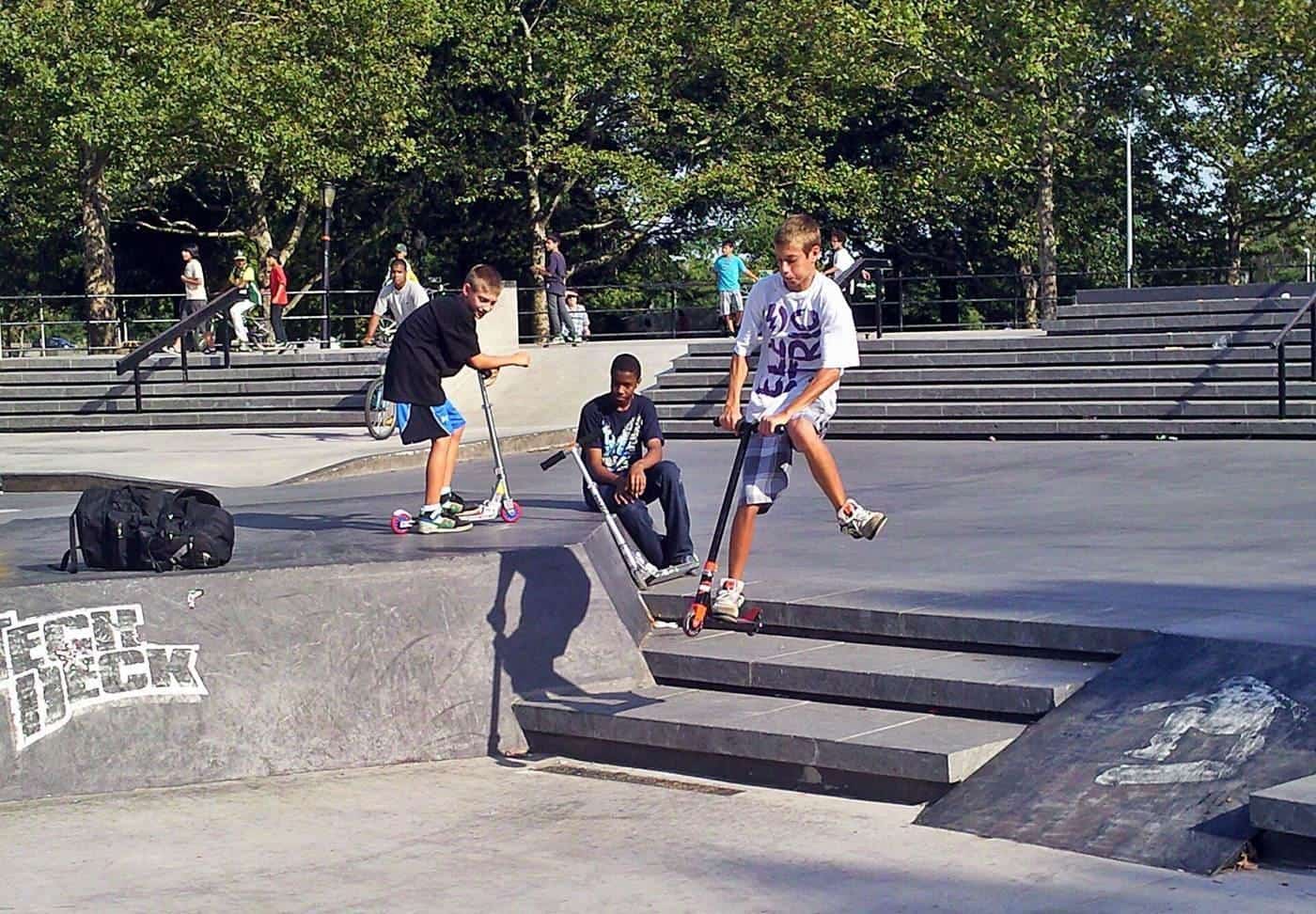
Safety
Scooter falls and injuries: prevention and first steps
Why scooter falls happen, the most common injuries, how to ride to avoid them and when to get medical help after a fall.
Read · 6 min
Frequently asked questions
What safety gear do I need for a scooter?
Better Health Channel lists a bicycle helmet and wrist, elbow and knee guards as essential.
What age is a scooter suitable for?
Better Health Channel says child safety experts regard scooters as inappropriate for children under eight.
What is the most common scooter injury?
Falls cause most scooter injuries, and wrist fractures are particularly common.
What labels should a helmet have?
Transport for NSW says to look for a BSI, Global-Mark, SAI Global or AUS label.
Sources and further reading
Facts on this page were checked against these primary and official sources. Conditions change — confirm before you travel or buy.
- Skateboards, scooters and rollerblades — Transport for NSW
- Scooters and child safety — Better Health Channel (Victorian Government)
- Bike, scooter and skateboard safety — Raising Children Network
- Bicycle helmets mandatory standard — ACCC Product Safety Australia
- Safety on wheels (parent information) — Transport for NSW