Anyone who has ridden a kick scooter knows how suddenly a fall can happen: a front wheel catches on a crack and the rider is on the ground in an instant. Most falls cause only grazes and bruises, but some lead to fractures and head injuries. This guide explains why falls happen, what injuries are common and how to reduce your risk.
This guide is general information written in our own words, based on the official sources listed at the end. It isn't legal or medical advice. Road rules and e-scooter trials change, and councils can put up local signs that override the general rules, so check the current rules with Transport for NSW and follow any signs where you ride.
How common are scooter injuries?
The Better Health Channel says falls are the most common cause of injury for Australian children riding scooters, and that collisions with cars and pedestrians have also been reported. It describes falls and collisions as disturbingly common, with young children and those learning to ride most at risk. We don't publish our own injury statistics; see the sources at the end of this page.
Why scooters tip
Better Health Channel explains several features that make scooter falls likely:
- Small wheels. Scooter wheels are small, so they're easily stopped by cracks, stones, cobblestones and lips in the pavement.
- Low clearance. The deck sits close to the ground and can catch on bumps.
- Brakes. The brake can't grip much surface on a small wheel, and brakes become less effective as they wear.
- Speed. Lightweight scooters can reach high speeds, especially downhill.
- Build quality. Cheaper scooters may have flimsy folding mechanisms that give way under pressure, or sharp edges.
Wet surfaces, painted lines, metal covers, leaves and sand add to the risk.
Common injuries
Better Health Channel lists injuries including grazes and cuts, fractures and head injuries. It explains that wrist fractures are particularly common because falling riders instinctively put out their hands. Head injuries are the most serious, which is why a helmet is essential. Collisions with pedestrians can also injure the person who is hit, which is one more reason to give way and slow down on paths.
How to reduce your risk
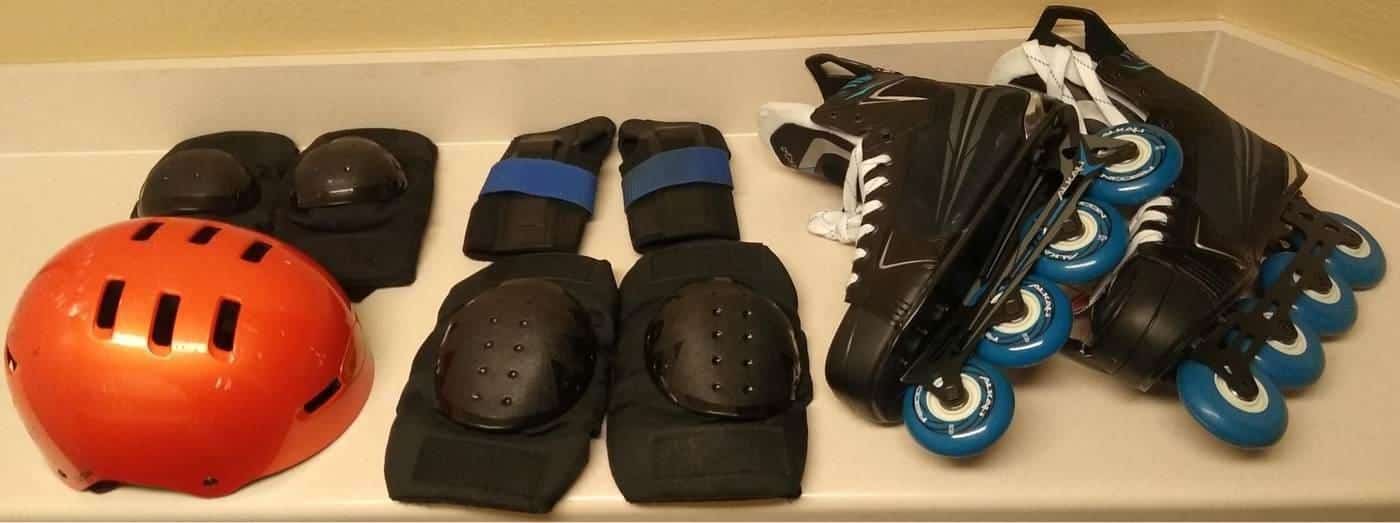
Wear the gear. A helmet plus wrist, elbow and knee guards. See our protective gear guide.
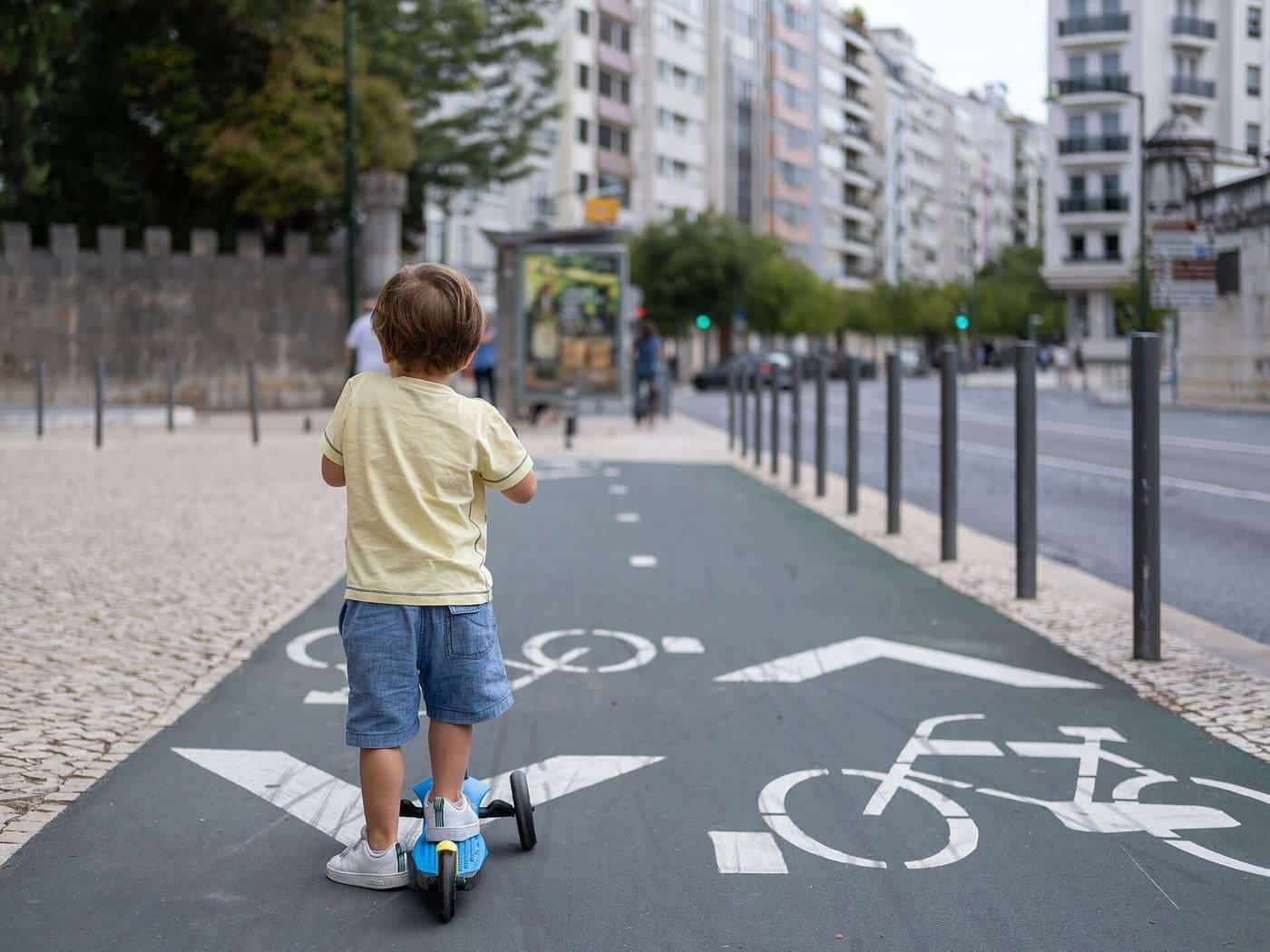
Choose smooth surfaces. Keep to smooth paths and avoid gravel, cobblestones, broken pavement and grass. Look well ahead so you can spot hazards early.
Control your speed. Slow down before hills, corners, driveways and crowds. Practise braking until it's automatic. On steep hills, walk.
Avoid the wet. Small wheels lose grip easily. Walk your scooter when surfaces are wet.
Keep your scooter in good condition. Check brakes, wheels, the folding clamp and handlebars regularly. See our maintenance guide.
Learn in a safe place. Better Health Channel recommends a safe learning area while new riders master the scooter.
Stay alert. Don't use your phone or wear headphones while riding.
Learning to fall
Experienced skaters and riders practise falling safely: bending the knees, keeping the body low and rolling rather than landing on outstretched arms. Wrist guards help when you do put out your hands. These techniques reduce but don't remove the risk of injury, so don't rely on them instead of gear and careful riding.
What to do after a fall
If someone falls:
- Check for danger, such as traffic, and move to a safe spot if it's safe to do so.
- Check the person. Are they responsive? Are they in severe pain? Did they hit their head?
- Call Triple Zero (000) in an emergency, such as loss of consciousness, a serious head or neck injury, heavy bleeding, difficulty breathing, or an obvious major fracture.
- Don't move someone who may have a neck or back injury unless they're in immediate danger.
- For minor grazes, clean the wound and cover it.
When to get medical help
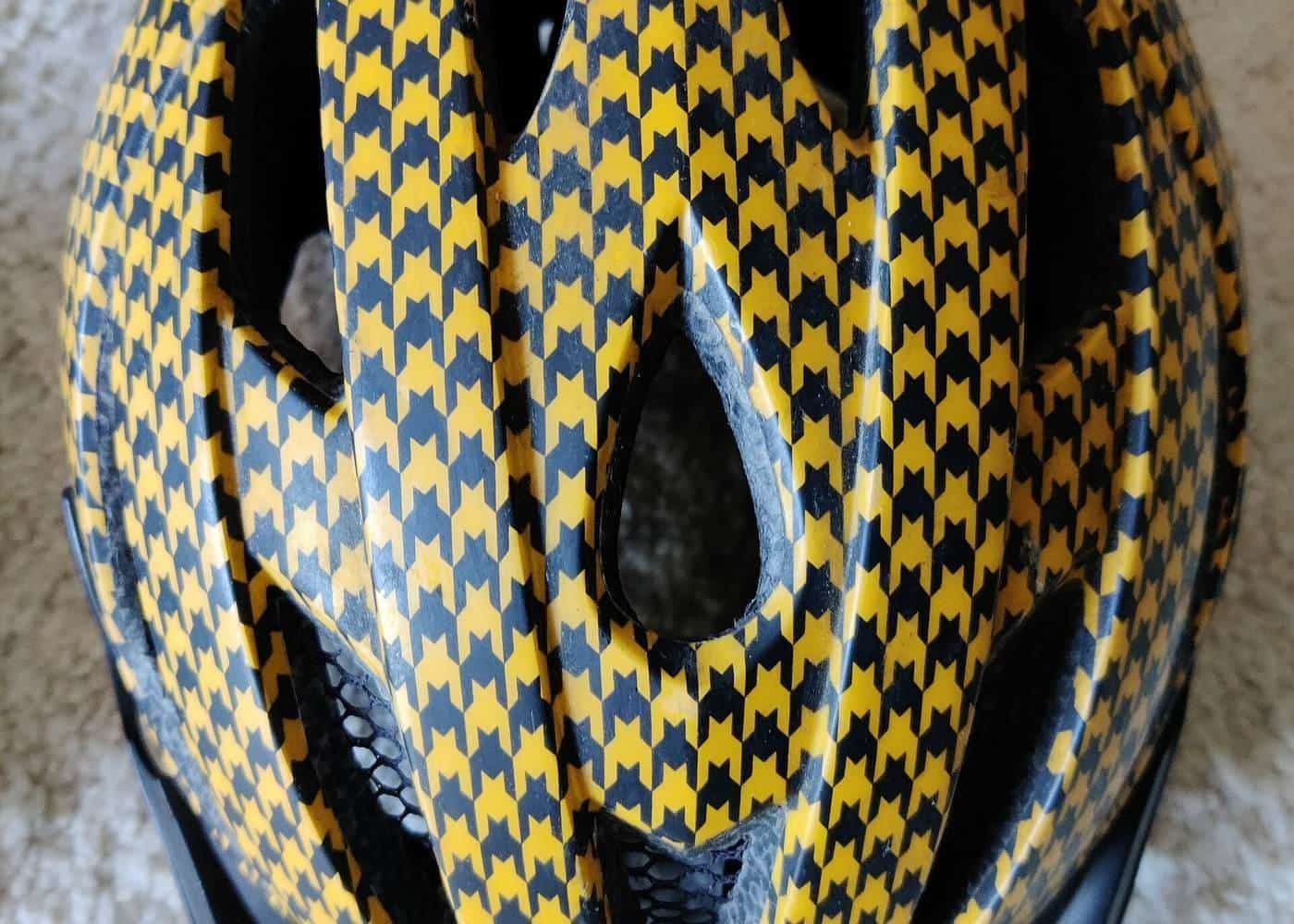
See a doctor or go to an emergency department for a suspected fracture, a deep cut, a head knock with symptoms such as headache, vomiting, drowsiness or confusion, or pain that doesn't settle. If you're unsure, call healthdirect on 1800 022 222 for free health advice from a registered nurse, available 24 hours a day. After any fall involving a head impact, replace the helmet.
After the fall: getting back on
A fall can knock a child's confidence. Once any injury has healed, go back to a safe learning area, check the scooter and gear, and build up gradually. Talk about what happened and what to do differently, such as slowing down before a slope.
Hazards to watch for in Sydney
Common hazards on Sydney paths include lifted pavers and tree roots, drain grates and metal covers, sand on coastal paths, leaves and seed pods after storms, wet painted lines, steep driveways and kerb ramps with lips. Look well ahead, slow down for anything unusual and walk over hazards if you're unsure.
Reporting a hazard
If you notice a dangerous path hazard, such as a broken paver, a missing drain cover or an overgrown tree, report it to your local council. Most councils have an online form or app. Reporting hazards helps protect other riders and pedestrians.
Try the "Where can I ride?" checker
Our free ride checker lets you choose a kick scooter, a private e-scooter or a shared e-scooter, then pick a place, such as a footpath, shared path or road, and the time of day. It shows what the general NSW rules say, with a link to the official source. It runs entirely in your browser, and nothing you choose is sent anywhere. It's a guide only: local signs and changes to the rules always take priority.
Where our information comes from
Factual statements in our guides are based on official and authoritative sources, including Transport for NSW, the NSW Road Rules 2014, the NSW Government's e-scooter pages, Fire and Rescue NSW, the ACCC's Product Safety Australia, the Better Health Channel and Raising Children Network. We link to each source at the end of the page and write everything in our own words. We don't invent statistics, fines or prices, and where official sources disagree or change, we say so.
Rules change
Road rules, fines and e-scooter trials change from time to time. The NSW Government has said it's exploring options to change the rules for e-scooters, and trial sites open and close. Councils can also add local signs that ban scooters in particular places. Before relying on any rule, check the current information from Transport for NSW and follow the signs where you ride.
Riding with others in mind
Footpaths and shared paths belong to everyone. Riding at a sensible speed, keeping left, giving way to pedestrians and walking when it's busy make scooters welcome on Sydney's paths. Every rider who rides considerately helps keep paths open to scooters, and makes it easier for children to keep scooting to school and the park.
A note for parents and carers
Children learn by watching adults. If you ride a scooter or bicycle, wear your helmet, keep left, slow down near people and walk across roads. Talk about the rules as you go. Transport for NSW's Safety on Wheels information for parents is a helpful starting point, and Raising Children Network has practical advice on bike, scooter and skateboard safety.
Corrections and feedback
We review our guides against their sources and show the date each page was last checked. If you notice something out of date or incorrect, such as a change to the road rules or e-scooter trials, please tell us through our contact page. We read every message and correct mistakes promptly.
Key points
- Falls are the most common cause of scooter injuries in children.
- Small wheels, low clearance and weak brakes make losing control on rough surfaces likely.
- Wrist fractures are common; head injuries are the most serious.
- Wear protective gear, ride smooth surfaces, control speed and avoid the wet.
- Call 000 in an emergency; healthdirect (1800 022 222) gives 24-hour advice.
Frequently asked questions
What is the most common scooter injury?
Better Health Channel says falls are the most common cause of injury for children riding scooters, and wrist fractures are particularly common.
Why do scooters tip over?
Small wheels and low clearance make scooters likely to lose control on rough surfaces such as cracks, cobblestones and gravel, and brakes on small wheels can be less effective.
When should I see a doctor after a scooter fall?
Get medical help for any head injury, suspected fracture, deep cut or ongoing pain. Call Triple Zero (000) in an emergency. You can call healthdirect on 1800 022 222 for advice.
Can I reduce the chance of falling?
Yes: wear protective gear, ride on smooth surfaces at a controlled speed, avoid wet surfaces and keep your scooter maintained.
Sources and further reading
Facts on this page were checked against these primary and official sources. Conditions change — confirm before you travel or buy.
- Scooters and child safety — Better Health Channel (Victorian Government)
- Bike, scooter and skateboard safety — Raising Children Network
- Skateboards, scooters and rollerblades — Transport for NSW
- Safety on wheels (parent information) — Transport for NSW
- healthdirect: free health advice 24/7 — healthdirect Australia